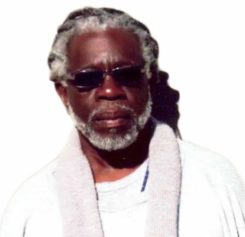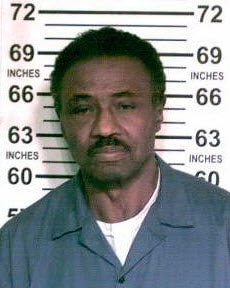
This Oct. 10, 2017 file photo provided by the New York State Department of Corrections and Community Supervision shows inmate Herman Bell, at the Shawangunk Correctional Facility in Shawangunk, N.Y. (New York State Department of Corrections and Community Supervision via AP, File)
ALBANY, N.Y. (AP) — A former Black Liberation Army radical who killed two New York City police officers nearly a half century ago was released on parole Friday after efforts to keep him in prison failed.
State prison officials said they would abide by an appellate judge’s decision Wednesday that denied a police union’s request for a temporary restraining order to keep Herman Bell behind bars.
The website of the state Department of Corrections and Community Supervision said Bell was released from the maximum-security Shawangunk Correctional Facility in upstate Ulster County on Friday.
Bell and two other members of the Black Liberation Army shot officers Waverly Jones and Joseph Piagentini in 1971, after luring them to a Harlem housing development with a bogus 911 call. Jones was shot once and died instantly. Piagentini was shot 22 times.
Bell and the two accomplices were convicted of murder. They were sentenced in 1979 to 25 years to life in prison. Bell was granted parole last month after his eighth parole hearing, during which he stated he had “deep remorse” for the slayings.
Bell was initially scheduled for release April 17, but a state judge in Albany delayed his release after the Patrolmen’s Benevolent Association filed a lawsuit on behalf of Piagentini’s widow, who claimed the parole board didn’t follow proper protocols in approving the inmate’s release. The judge later ruled in favor of Bell’s release. The PBA appealed that decision, but the appellate judge also ruled the parole board had followed protocols and set Friday for Bell’s release.
During a news conference Friday at PBA headquarters in Manhattan, union officials said they would continue their legal challenges to Bell’s release. They called on state lawmakers and Democratic Gov. Andrew Cuomo to fix what the PBA refers to as the “broken” state parole board system.
In a statement released by the PBA, Officer Piagentini’s widow, Diane, said the governor should appoint new parole board members to rehear Bell’s case.
“Shame on you,” wrote Diane Piagentini, of Long Island. “You should have put politics aside and done the right thing. You should have given us a new parole hearing.”
Officer Jones’ children, Wanda and Waverly Jones Jr., have said in the past that Bell should be released. Wanda was a year old and her brother was an infant when their father was killed.
Cuomo said last month that he disagrees strongly with the parole board’s decision and freeing Bell sends the wrong signal.
One of Bell’s co-defendants has since died in prison while the other, Anthony Bottom, is serving 25 years to life at maximum-security Sullivan Correctional Facility in Sullivan County. The 66-year-old Bottom is due for a parole hearing in June.