Flint Kids Exposed to Lead to Undergo Testing, Screenings to Determine Special Education Needs

Flint Water Crisis

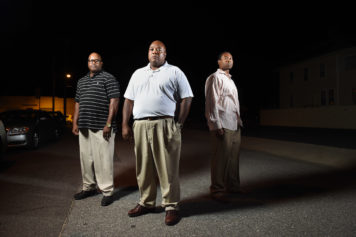
The ACLU’s lawsuit asks that the Michigan Dept. of Education and other agencies implement positive behavioral programs in every school. (Image courtesy of Reel Urban News)

FLINT, Mich. (AP) — An agreement has been reached to get more services to Flint children who were exposed to lead in drinking water.

Under the deal, the state of Michigan will provide $4.1 million, if the Legislature approves the money. Parents will be encouraged to get kids signed up on a registry, which will lead to tests and other screenings to help determine any special education needs.

The agreement announced Monday would partly settle a lawsuit against the state and Flint-area school groups, including the city’s school district.

Kristin Totten of the American Civil Liberties Union says the deal is a “critical first step.” She says there’s still more litigation over Flint kids with disabilities.

Lead-tainted water flowed in Flint for 18 months before a disaster was declared in 2015.

Democracy needs journalism it can trust.

This election season, the stakes are higher than usual — and so is the pressure on newsrooms to soften their coverage, stay quiet, or just disappear. Independent reporting, the kind that answers to readers instead of advertisers or political pressure, matters more in a moment like this, not less.

For over 14 years, Atlanta Black Star has stayed independent and reader-funded. We have no corporate owner and no shareholders telling us what to cover or how to cover it. That independence is also our biggest vulnerability: nothing protects it except readers choosing to fund it directly.

Newspaper ad revenue has fallen more than 80% since 2005, and local newsrooms are closing at a rate of roughly two a week nationwide. When outlets go under in a moment like this, it's rarely the independent, reader-funded ones that get to stick around.

We know a request for support isn't why you came here. But without readers choosing to fund this work directly, the depth of reporting we can do at home and abroad shrinks along with everyone else's. If you're not in a position to give, that doesn't change how much we value you as a reader.

If you are able to, a recurring contribution does more for us than a single one-time gift, because it lets us plan the next investigation instead of just the next invoice. It takes about 30 seconds, no long form, no account. Thank you for continuing to support independent journalism and freedom of the press.

Back to top