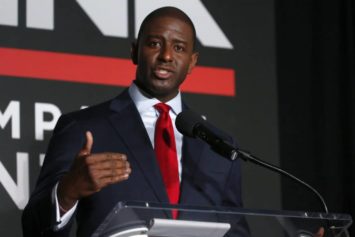
Sen. Nathaniel Oaks faces fraud charges and is accused of accepting bribes from an FBI informant. (Photo by the Baltimore Sun)
Lawyers for Maryland Sen. Nathaniel Oaks have accused federal authorities of hiring a crafty informant paid millions by the FBI to entrap the Baltimore politician.
Oaks’ defense team identified the alleged informant as William Myles in court papers filed Wednesday, Feb. 28. In them, attorneys claim Myles introduced himself to Oaks as a man named Mike Henley, a Texas entrepreneur looking to land a few property deals in the city, the Baltimore Sun reported.
Moreover, the FBI is alleged to have paid Myles $1.1 million for more than a decade’s worth of work on sting cases against elected and public officials across the nation, going so far as to lure his targets to the same restaurant chain where he first met Oaks.
“Mr. Myles is nothing more than a professional set-up artist whose livelihood is dependent on inducing public officials into corrupt activity,” lawyers wrote in their court filing.
Oaks, a local Democrat, is facing fraud charges after he was accused of accepting $15,000 in payments from Myles. He’s also alleged to have agreed to help the FBI after authorities confronted him about the bribes, only to turn around and sabotage the entire investigation. The senator is scheduled to go to trial this April, according to the newspaper.
Oaks’ lawyers have asserted that Myles pushed the local lawmaker into corrupt activities he otherwise wouldn’t have taken part in, had it not been for the canny informant and another man. Prosecutors have refuted their claims, however, citing transcripts of recorded conversations they had with Oaks. They said the recordings prove he willingly participated in the scheme.
For Myles, the incentive to push Oaks was purely financial, lawyers argued.
A second informant, described in court documents only as an ex-aide to a county official, pleaded guilty to bribery and agreed to assist the FBI in exchange for a lighter sentence, according to a new court filing obtained by the Sun.
As for Oaks, he has pleaded not guilty to all the charges and plans to run for reelection.
“There are few incentives more powerful than money and freedom,” his attorneys wrote. For the two informants, “failure was simply not an option; failing to ensnare the government’s desired target meant financial ruin for one, and prison for the other.”