South African President Jacob Zuma leaves parliament in Cape Town, South Africa, Wednesday, Feb 7, 2018. Zuma’s exit from power because of scandals appears to be getting closer with his deputy, Cyril Ramaphosa, who is expected to replace him, saying he anticipates a “speedy resolution” to transition talks he is holding with Zuma. (AP Photo/Brenton Geach)
JOHANNESBURG (AP) — The drama over whether South African President Jacob Zuma soon will leave office because of corruption allegations is overshadowing commemorations of the centenary of Nelson Mandela’s birth.
Top leaders of the ruling African National Congress won’t take part in events leading up to a big rally Sunday that will be addressed by Deputy President Cyril Ramaphosa, the party said Friday. It said the leaders, who have participated in discussions on Zuma’s exit, dropped out because of “various other commitments.”
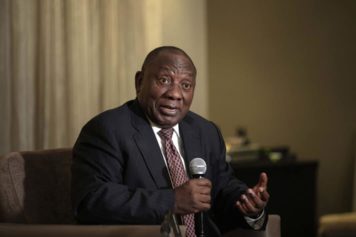
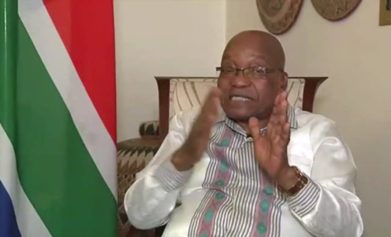
The timing and circumstances of the early exit of Zuma, who is under intense pressure to resign, pose a challenge for the party that was the main anti-apartheid movement during white minority rule and has led South Africa since the first all-race elections in 1994. The ANC has lost moral stature because of the president’s scandals but Ramaphosa, Zuma’s expected successor and new party leader, appears intent on managing an exit for the 75-year-old president that minimizes internal divisions.
Ramaphosa this week has held discussions with Zuma on a power transition and said he anticipates a prompt resolution, though critics accused the deputy of making a mockery of South African democracy with confidential talks that have left the country in political limbo. Speculation is swirling in the absence of any information about the talks; some wonder whether Zuma is pushing for immunity from prosecution in exchange for his resignation.
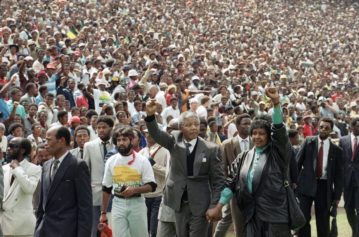
South Africans are hoping for clarity by the time Ramaphosa speaks in Cape Town on Sunday, the 28th anniversary of Mandela’s release from prison. Jailed for 27 years, the anti-apartheid leader addressed an ecstatic crowd from the balcony of Cape Town’s City Hall on Feb. 11, 1990 and was elected as South Africa’s first black president four years later. He died in 2013 at the age of 95.
Ramaphosa, an anti-apartheid activist who held the microphone for Mandela during the City Hall speech, was a key negotiator during the transition to democracy in the early 1990s.
Zuma spent a decade at the Robben Island prison where Mandela was held, and became the ANC’s intelligence chief before the end of white minority rule. He became president in 2009 and has been enmeshed in scandals, including multi-million-dollar upgrades to his private home and the alleged looting of state enterprises by his associates.
The president, who denies wrongdoing, is due to end his second five-year term at elections next year. Many former supporters in the ANC, the party of Mandela, want him to resign immediately so that they can try to recover the confidence of alienated voters.
Ramaphosa would become acting president if Zuma leaves office, and likely would be elected president in a parliamentary vote that must happen no more than 30 days after Zuma’s exit. The period from then until national elections in 2019 would not count as a term; South African presidents can hold office for a maximum of two terms.