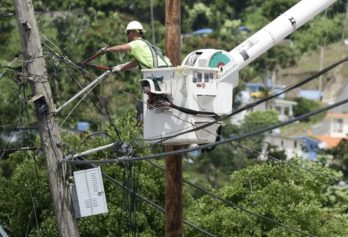
Four months after Hurricanes Maria and Irma ravaged the U.S. Virgin Islands, locals there are still working to rebuild and piece whatever’s left of their lives back together. Hardware store The Home Depot offered a glimmer of hope to residents looking to restore but faced backlash after it was revealed the company had destroyed 1 million pounds worth of goods after the hurricanes.
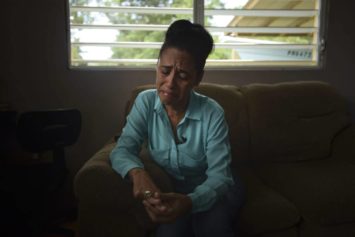
“A lot of people lost everything, like me,” said resident Kenneth Turnbull. “I lost everything out of my home.”
Rather than donate the usable goods to those in need, an investigative report by local station WSB-TV revealed Home Depot chose to destroy its entire stock of merchandise. The company crushed one million pounds of goods, Waste Management records obtained by the news station showed, before sending it to a local landfill.
The company hasn’t denied scrapping the goods but said it simply had no other choice due to liability concerns. Many locals beg to differ.
“That was the easiest thing to do,” Turnbull told WSB-TV. “Was it the best thing? No. I don’t think it was the best thing.”
Controversy began brewing after a post-hurricane photo taken behind St. Thomas Home Depot made its rounds on social media, showing a dock full of products still wrapped in plastic. Many who saw the photo said the goods appeared to be in good condition. Little did they know, however, that the supplies were headed straight to the landfill in a matter of days.
The cost to move the merchandise? $25,000.
There was “too much truckload to even count,” one landfill employee who saw the home building materials being brought in told WSB-TV, noting that the company had actually destroyed the merchandise themselves before sending it to the landfill.
“They cut the power cords,” he said. “They demolished all the goods, so nothing was usable.”
A Home Depot spokesman told the news station the company was out of options, saying it didn’t have the time to sort out the good merchandise from the damaged merchandise. So, they threw it all out and filed insurance claims instead. Liability concerns, like mold, also presented issues, the spokesman said.
“First and foremost, we could not sell or donate product we weren’t certain was safe, but we also had vendor agreements, legal, logistical and insurance issues that left us with no other option than to dispose of the store’s inventory,” the company said in a statement to WSB-TV. “Fortunately, we’ve been able to support the communities hit by the storms in many other ways.”
The Virgin Islands suffered nearly $2.4 billion in total damage with about 90 percent of buildings left damaged or completely destroyed, according to the station. The St.Thomas store is back up and running since the hurricanes, but residents say essential supplies are flying off the shelves faster than they can be restocked.
“I think there’s a broad understanding that this recovery is going to be years, possibly decades,” Patricia Lord, manager of the St. Thomas Disaster Recovery Center, told the news station. “You know, people leave. So there’s that to deal with.”