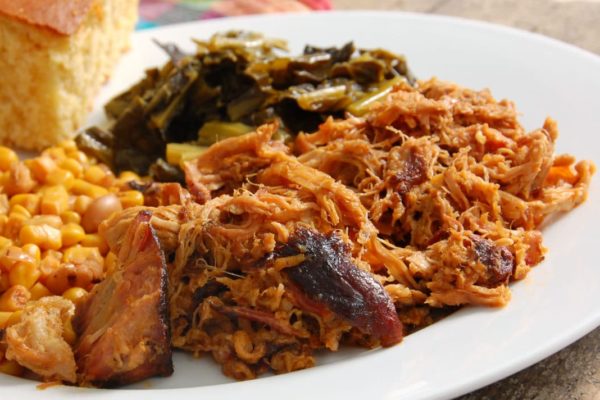
South Carolina ranks sixth for diabetes and eighth for high blood pressure, according to the Robert Wood Johnson Foundation. (Photo by Getty Images)
Vegan soul food? It sounds like an oxymoron, but it’s a new trend catching on at hundreds of soul food restaurants across the nation looking to give its patrons a much healthier, but equally soul-satisfying cuisine.
Now, researchers out of the University of South Carolina are looking to explore the trend further.
As part of a two-year study, fittingly-dubbed “Nutritious Eating with Soul”, researchers have solely enlisted the help of African-American subjects to help them analyze the nutrition, of “soul food,” the Charleston Post and Courier reported. The study is focused on examining how a plant-based, low-fat soul food diet might help to improve heart disease risk factors and other heath outcomes in the Black community.
Those who participate are assigned to one of two groups: one following a low-fat standard soul food diet featuring meat and dairy products, or one that follows an entirely vegan diet, according to the study’s website. Brie Turner-McGrievy, lead researcher on the USC project, said the goal is to shift traditional soul food recipes from animal– to plant–based while also encouraging Black Americans to swap our beloved salt out for healthier seasonings such as garlic and cardamom.
Researchers believe these small changes could go a long way in improving the health of African-Americans.
The Robert Wood Johnson Foundation lists South Carolina as the 12 worst state for its obesity rate, according to the Post and Courier. What’s worse, the state ranks sixth for diabetes with Black Americans faring the worst of any racial group it comes to obesity.
As part of the study, subjects are encouraged to bring their own recipes for discussions on ways they can make the dishes healthier. Participants will also be require to attend weekly cooking classes and adhere to their assigned diets with the help of a nutritionist.
The perks? A healthier lifestyle and an extra $210 in the bank.
Speaking with the newspaper, Sodexo and USC dietitian Debbie Petitpain said Black folk could stand to benefit more than their white counterparts if they make the switch to a plant-based diet. She said in previous studies, Black Americans have made more significant gains in their health compared to other demographics when they started eating more fruits, veggies and grains.
Petitpain acknowledged, however, that it can be difficult to tackle foods that contribute to poor health because of strong cultural ties.
Several soul food restaurants across South Carolina have proven their up for the challenge, switching out their high-fat food items for heart-healthy, plant-based alternatives. Folami Geter, a local who purchased the Lamb’s Bread Vegan Cafe from her father, has embraced the change.
“People are coming to the realization that vegan food is actually the real ‘soul food,’ ” Geter told the Post and Courier. “It nourishes your body and mind. It doesn’t fester in your digestive system.”