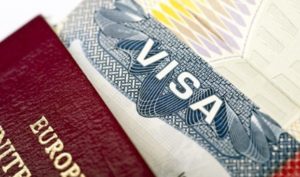
Several key speakers at the energy summit were denied U.S. visas, forcing organizers to cancel the event. (Image courtesy of travel.state.gov.)
ADDIS ABABA, Ethiopia (AP) — The United States will stop issuing certain visas to Eritrean nationals and officials of Cambodia, Sierra Leone and Guinea as of Wednesday because they have refused to take back deported citizens, the State Department said Tuesday. Under federal law, Secretary of State Rex Tillerson can stop all or specific types of visas from being issued to such nations.
The State Department traditionally has been reluctant to impose visa sanctions because affected countries often retaliate through reciprocal restrictions on U.S. citizens and officials. The measures have only been imposed twice before, against Guyana and Gambia.
The U.S. Embassy in Eritrea said in a statement that it will stop issuing business and tourism visas to Eritrean nationals, with “limited exceptions.” Eritrean officials were not immediately available for comment.
The East African nation is a major source of migrants who say they are fleeing a system of forced military conscription that repeatedly has been criticized by the United Nations and human rights groups.
In the West African nation of Guinea, a U.S. Embassy statement said the new restrictions on business, tourism and student visas affect only government officials and immediate family members.
In Cambodia, restrictions on business and tourism visas will affect foreign ministry officials with the post of director-general and above, along with their families.
In Sierra Leone, restrictions on business and tourism visas will affect foreign ministry and immigration officials. The West African nation is currently recovering from recent mudslides in the capital that killed several hundred people.
Nationals of Sierra Leone and Guinea had been considered an exception to deportation during the Ebola crisis and its aftermath. That temporary protection status expired in May of this year.
State Department spokeswoman Heather Nauert confirmed that the restrictions have been imposed in all four countries, effective Wednesday. Tillerson sent a cable to all embassies on Tuesday ordering the changes.
U.S. officials first discussed the visa restrictions last month. The Department of Homeland Security said it had recommended the State Department take action against four nations out of a dozen it considers recalcitrant. Neither department would identify the nations by name at the time.
It is not clear why only Cambodia, Eritrea and Guinea were selected for the sanctions or why Sierra Leone, which was last identified as “at risk” for recalcitrance, was included.
Other countries listed as being recalcitrant in accepting deportees from the U.S. include China, Cuba, Vietnam, Laos, Iran, Burma, Morocco and South Sudan.