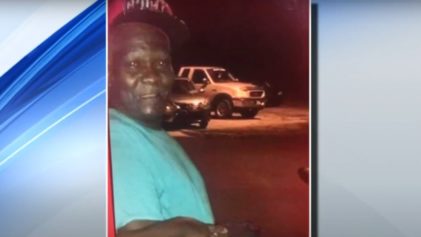
Man Misidentified as Dallas Shooting Suspect Still Trying to Put Life Back Together a Year Later

One year after the Dallas shooting at a protest over the police killings of two Black men, the man initially mistaken as the suspect is speaking out about how that night has affected him.

“The first thing that came to my mind was they’re going to kill me out here,” Mark Hughes, owner of a snowcone stand, tells NBCDFW Wednesday, July 5, of how he felt when he learned he was deemed a suspect. “I was angry. I was frightened. I feared for my life. I was confused and didn’t know what to do.”

The July 7, 2016, protest in downtown Dallas was in response to the police shooting deaths of Philando Castile and Alton Sterling days earlier and things turned chaotic when a gunman opened fire, killing five police officers and injured nine others. The shooter was later identified as Army veteran Micah Johnson.

In the aftermath, Hughes said he was threatened with notes that called him a “cop killer” and his five children were forced to stay with relatives. Although the threats have since stopped, he is still upset about how things were handled. Now, he’s trying to rebuild his local image and get back to being known for his activism.

“The best thing I can do is be a voice for the community,” he says. “Show my face and let them know I’m not walking around with my head down. I’m a man that’s trying to make a living and provide for my family like any other person.”
Democracy needs journalism it can trust.

This election season, the stakes are higher than usual — and so is the pressure on newsrooms to soften their coverage, stay quiet, or just disappear. Independent reporting, the kind that answers to readers instead of advertisers or political pressure, matters more in a moment like this, not less.

For over 14 years, Atlanta Black Star has stayed independent and reader-funded. We have no corporate owner and no shareholders telling us what to cover or how to cover it. That independence is also our biggest vulnerability: nothing protects it except readers choosing to fund it directly.

Newspaper ad revenue has fallen more than 80% since 2005, and local newsrooms are closing at a rate of roughly two a week nationwide. When outlets go under in a moment like this, it's rarely the independent, reader-funded ones that get to stick around.

We know a request for support isn't why you came here. But without readers choosing to fund this work directly, the depth of reporting we can do at home and abroad shrinks along with everyone else's. If you're not in a position to give, that doesn't change how much we value you as a reader.

If you are able to, a recurring contribution does more for us than a single one-time gift, because it lets us plan the next investigation instead of just the next invoice. It takes about 30 seconds, no long form, no account. Thank you for continuing to support independent journalism and freedom of the press.

Back to top