
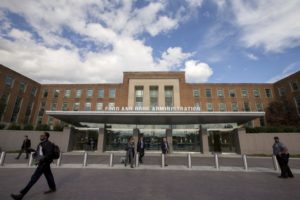
U.S. Food and Drug Administration campus, in Silver Spring, Md.(AP Photo/Andrew Harnik, File)
TRENTON, N.J. (AP) — U.S. regulators are warning consumers to avoid 65 bogus products hawked on the Internet with false claims that they can cure, treat, diagnose or prevent cancer.
The Food and Drug Administration says these products, mostly sold on websites and social media sites, can be harmful, waste money and result in people not getting approved, effective treatments.
The pills, creams and teas are untested and not approved by the FDA, which called them a “cruel deception.” Some contain ingredients that can be risky or interact dangerously with prescription drugs. The FDA on Tuesday posted the warning letters it sent to 14 manufacturers, telling them to remove their fraudulent claims describing the products as drugs or face stiff penalties.
“Anyone who suffers from cancer or know someone who does, understands the fear and desperation that can set in,” FDA consumer safety officer Nicole Kornspan said in a statement. “There could be a great temptation to jump at anything that appears to offer a chance for a cure.”
Many of the treatments are touted with illegal claims, such as “miraculously kills cancer cells in tumors,” ”more effective than chemotherapy” and “treats all forms of cancer,” the FDA said. Often, they’re advertised as safe, natural products or dietary supplements.
Some of the products are marketed for cats and dogs.
The FDA said it has issued more than 90 warning letters over the past decade to companies selling fraudulent cancer products. The agency said many of those companies stopped selling the products or making fraudulent claims, yet numerous unsafe products are still for sale because it’s easy for scammers to switch to new websites.
___


