The IRS data retrieval tool will be disabled until the next financial aid season, which starts in October.
Citing security issues, the Internal Revenue Service just moved to yank a web-based tool that eased the application process for millions of students seeking loans, scholarships and grants for college.
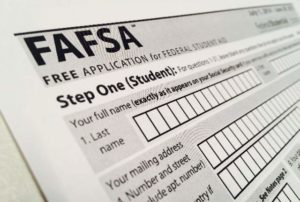
The popular IRS data retrieval tool, which eliminates loads of tedious paperwork for families filling out the Free Application for Federal Student Aid by allowing users to upload related tax information, was disabled this month and isn’t expected to be back up and running until late October, according to the agency and Federal Student Aid office. The loss of the crucial web-based resource has left students worried they’ll miss out on much-needed financial aid.
“We have heard from students, parents and the financial aid community that applying for aid is harder without the DRT,” said James W. Runcie, chief operating officer for the FSA. “We will do all we can to help students and families successfully submit applications while the [tool] is unavailable and remain committed to protecting applicants’ personal information.”
The IRS disabled the data retrieval tool earlier this month as an extra security precaution after identity thieves attempted to hawk personal information from it to file fraudulent tax returns, The Washington Post reported. The agency has grown much more cautious about such sensitive information ever since identity thieves breached almost 330,000 taxpayer accounts and tried to break into an 280,000 additional accounts in 2015.
“While this tool provides an important convenience for applicants, we cannot risk the safety of taxpayer data,” IRS Commissioner John Koskinen said in a written statement. “Protecting taxpayer data has to be the highest priority.”
For financial aid proponents, however, Koskinen’s words fell flat and failed to address the web tool’s important role in helping millions of students secure funds for college each year. Justin Draeger, president and CEO of the National Association of Student Financial Aid, said he was “disappointed” to learn of the DRT shutdown. His organization has since urged the Education Department to take immediate action to mitigate the negative effects on students.
Applicants can complete the paper FAFSA form by hand or utilize the online version by manually entering tax return info. Student advocates argue, however, that both options leave too much room for error. Simple mistakes could result in students being asked to provide additional documents, stretching the already lengthy application process. This is cause for concern among many applicants as federal funds are divvied up on first-come, first-serve basis.
“While we understand the need to ensure proper security, IRS Commissioner John Koskinen’s statement that this tool merely provides a ‘convenience for applicants’ betrays a disheartening lack of understanding about how vital this tool has become in streamlining the financial aid application process,” Draeger said.
The NASFAA has called on the DOE to update and correct FAFSA information and instructions across federal websites about the availability of the IRS DRT, allow signed copies of tax returns from applicants to satisfy verification documentation requirements and amend the verification selection criteria so that the number of students selected for verification remains stable.
Advocacy groups and members of Congress also have urged states to extend their financial aid deadlines in the wake of the shutdown, The Washington Post reported, as most jurisdictions rely on the FAFSA to disburse grant money.
The DRT removal also has proved problematic for borrowers enrolled in income-driven repayment plans. Borrowers are required to update their tax info each year for the government to cap their monthly student loan bill to a percentage of what they earn. The absence of the web-based tool, however, could slow this process and cause students to miss their deadlines. The result: higher monthly payments.
“You incur higher costs and you face potentially unaffordable payments until you can get your information in,” said Lauren Asher, president of the Institute for College Access and Success. “Everything that makes the process harder makes it less likely that people are going to make it all the way through.”