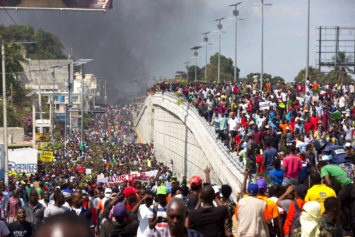
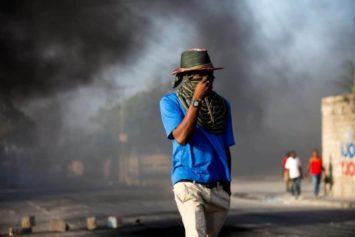
Provisional Electoral Council (CEP). File photo
PORT AU PRINCE, Haiti — After publishing a new electoral calendar fixing the date of the presidential election on Nov. 20, which had originally been scheduled for Oct. 9 but postponed because of the passage of Hurricane Matthew over Haiti, the Provisional Electoral Council (CEP) on Monday indicated that it may not in fact be able to hold the elections as rescheduled.
The reason given is the extent of damage caused by the hurricane to the electoral infrastructure (nearly 300 centers) and many access roads, while nothing is happening on the ground at the level of shared responsibility of the government to address these issues.
In a letter dated Oct.27 [resembling an ultimatum] addressed to the de facto President Jocelerme Privert, Léopold Berlanger, the president of the CEP gave the government 10 days to make functional the 280 damaged voting centers, make passable the access roads leading to other 161 centers, provide a voting card to voters who lost theirs during the hurricane and release 40 schools to be used as voting centers but temporarily occupied by hurricane victims, otherwise there will be no elections on Nov. 20, 2016, HaitiLibre reported.
Berlanger was clear on this point, saying that he was “Convinced that only the expedited execution of these provisions will allow us to respect the deadline of 20 November for the elections, the CEP remains mobilized to collaborate with the executive to accomplish this goal.”
According to the electoral adviser Jean Simon Saint-Hubert, if elections are not held on Nov. 20, the CEP will have to take a decision based on its mission, implying without saying that another failure could lead to the mass resignation of the CEP, thereby creating even more uncertainty and chaos.
Read more here.