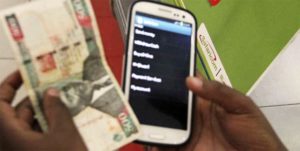
Mobile money transfer: Kenya is in the pole position to becoming Africa’s first digital economy. PHOTO | DIANA NGILA
Kenya is poised to become Africa’s first mobile money economy, a newly released study indicates based on the steady rise in cashless transactions for goods and services.
The study by consultancy firm Deloitte says Kenya is ripe for mobile money revolution and asks local businesses to shift their sales models with the emerging reality to stay ahead of the competition.
The impending mobile payments revolution marks yet another first for Kenya, which has been a front-runner in mobile transactions backed by innovations such as mobile transfer services, M-Pesa.
The Deloitte report says continued use of mobile payments has reached a critical point where it is posing a threat to traditional retail models based on cash.
The study found that 11 percent of Kenyan consumers are already using mobile payments — more than five times Nigeria’s two percent, nearly three times South Africa and Uganda’s four percent and ahead of Zimbabwe’s seven percent.
The figures represent only transactions paid for using mobile money, excluding mobile money transfers.
The Deloitte study also found out that Kenya remains way ahead of its African peers on use of mobile money transfers with 33 percent of its population making use of the platform compared to Nigeria’s 11 percent, South Africa (15 percent), and Zimbabwe (11 percent).
Kenyan consumers were also found to be adopting mobile money faster than their African peers, placing it in pole position to becoming the region’s first digital economy.
“The level of adoption of these services is currently low and the gap represents a significant monetization opportunity for operators,” the Deloitte report says, adding that 50 percent or more of the mobile phone users had demonstrated a willingness to go cashless.
The report urges businesses to tap the anticipated mobile money opportunities by investing in understanding consumer behavior to stay ahead of the competition.
“The holy grail of retail right now is understanding shopper behavior live. As they move around, you want to impact their decision to buy while they are in the store,” Deloitte Advisory Leader for East Africa Rodger George said when he released the report on consumer trends.
Read more here.


