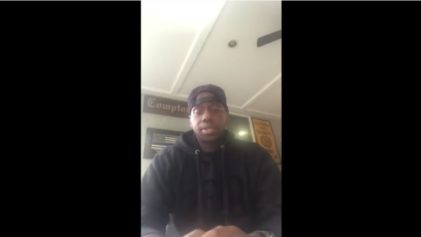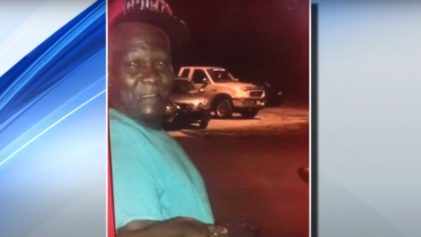
Waterloo, Iowa’s chief of police Daniel Trelka. Screenshot courtesy of the Waterloo-Cedar Falls Courier’s YouTube page.
The city of Waterloo, Iowa paid a Black teen thousands of dollars to keep quiet about his settlement stemming from a police assault back in 2014.
According to the Associated Press, Iowa teen Malcolm Anderson resolved his federal lawsuit for $95,000 following an incident in which he was thrown to the ground by a white police officer. The city of Waterloo negotiated an extra $5,000 payment to Anderson under the condition that neither he nor his attorney hold any press conferences on the matter, disclose details to civil rights groups, or mention the deal on social media.
The sealed confidentiality agreement was obtained by the publication under Iowa’s open records law. Now that it’s out in the open, critics of the agreement say it may be illegal for a state government agency to demand such secrecy. It also violates the public’s right to know.
“The people of Waterloo should be troubled that the city is paying $5,000 to Malcolm Anderson just to allow the government to try to remain silent about the police officer’s mistreatment of him,” said Randy Evans, director of the Iowa Freedom of Information Council. “Iowa law clearly does not allow secret settlements by government. Such secrecy is not in the best interests of government. It interferes with a full and frank discussion by the public and city officials of the police officer’s actions that led to the litigation and $95,000 settlement.”
The Associated Press reports that the agreement acknowledges Waterlooo must release the amount paid to Anderson upon request, but states that neither party will offer any additional comments, thus keeping its terms “secret and confidential.”
The agreement stems from a June 2014 incident in which the Iowa teen accompanied a friend suffering from stab wounds to the Allen Memorial Hospital. Authorities were looking to question Anderson about the stabbing, but the teen insisted he had no knowledge of what happened.
While speaking with his mother on a payphone, officers hung up the call and insisted that the then 17-year-old come with them to the police station for questioning. Anderson refused, as there was no probable cause for the cops to arrest him. Officer Mark Nissen found a reason, however; the teen was ultimately cited for underage possession of tobacco.
As Anderson was handcuffed and taken to the patrol car, Nissen threw him face first onto the concrete sidewalk. Freelance journalist Myke Goings was there to capture the arrest and subsequent assault on video, the Associated Press reports.
Officers accused the teen of resisting arrest, but that charge was later dismissed after a judged reviewed the video. The tobacco possession charge was also thrown out.
Officer Nissen was never disciplined for his actions, however; the city ultimately cleared him of excessive force following an internal affairs investigation.