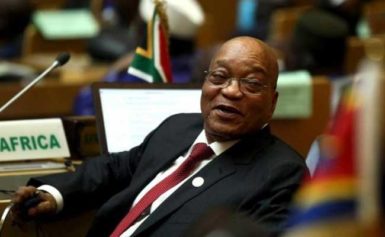
South Africans Voting For The Biggest Shake-Up Since Apartheid

SOUTH AFRICA VOTE-min

On Aug. 3, South Africans go to the polls to vote in the country’s fifth local government elections since the end of apartheid. Although municipal elections seldom draw much international attention, this year the stakes are particularly high in South Africa. Since it championed the struggle to liberate the country from apartheid under the leadership of Nelson Mandela, the African National Congress has dominated South African politics and easily maintained a loyal voter base. But more than 20 years since the end of apartheid, all is not well in “the rainbow nation.”

President Jacob Zuma has been plagued by scandal — with over 700 charges pending against him (the charges were recently reinstated by a high court after a failed appeal attempt), the president has been embroiled in corruption charges after he spent public money on costly upgrades to his private luxury estate. Rising economic woes, poor service delivery and rampant inequality have spurred numerous protests across the country.

Many of these demonstrations have turned violent, and the South African Human Rights Commission has registered its concern about the increase in politically related killings ahead of the elections.

The ANC is now poised to lose some of its urban strongholds — a development that would signal the end of the party’s exclusive grip on power, and could usher in the beginning of some precarious coalition politics in advance of what would undoubtedly be a highly contested national election in 2019.

Read more here
 

Democracy needs journalism it can trust.

This election season, the stakes are higher than usual — and so is the pressure on newsrooms to soften their coverage, stay quiet, or just disappear. Independent reporting, the kind that answers to readers instead of advertisers or political pressure, matters more in a moment like this, not less.

For over 14 years, Atlanta Black Star has stayed independent and reader-funded. We have no corporate owner and no shareholders telling us what to cover or how to cover it. That independence is also our biggest vulnerability: nothing protects it except readers choosing to fund it directly.

Newspaper ad revenue has fallen more than 80% since 2005, and local newsrooms are closing at a rate of roughly two a week nationwide. When outlets go under in a moment like this, it's rarely the independent, reader-funded ones that get to stick around.

We know a request for support isn't why you came here. But without readers choosing to fund this work directly, the depth of reporting we can do at home and abroad shrinks along with everyone else's. If you're not in a position to give, that doesn't change how much we value you as a reader.

If you are able to, a recurring contribution does more for us than a single one-time gift, because it lets us plan the next investigation instead of just the next invoice. It takes about 30 seconds, no long form, no account. Thank you for continuing to support independent journalism and freedom of the press.

Back to top