An African Emancipation Day reparations protester in London educates a reporter about the damages slavery has done to Black people across the diaspora.
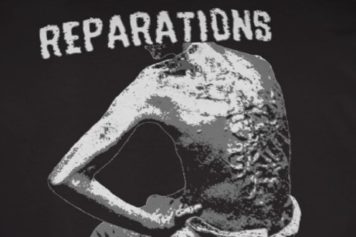
According to London’s The Evening Standard, the Aug. 1 march — starting in Brixton and ending in Parliament Square — was part of a campaign calling for reparations to the descendants of enslaved Black people living in Great Britain.
The protester, Juliet Lopez, minces no words and says that Black people suffer from post-traumatic slave syndrome and disorder because of the horrific conditions of slavery.
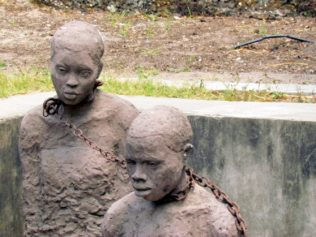
“The colonial debt is still imposed on our countries, on our families today,” Lopez explains. “We suffer from discrimination … It is a painful situation to wear these chains today… 200 miles along the Ghana coast there are castles and bastions that were brought up to imprison my ancestors. And that has been failed to be recognized.”
Protesters presented a petition outlining their demands as well. Here is an excerpt:
“… Today, the offspring of the stolen Africans encounter direct and indirect racial discrimination daily. This results in impoverishment, lack of education, unemployment, imprisonment and ill health. Now is the time for the victims of these inhumane atrocities to demand, effect and secure holistic, adequate, comprehensive and intersectional reparations for the wrongs that continue to be inflicted on Africa, Africans on the Continent and in the Diaspora …”