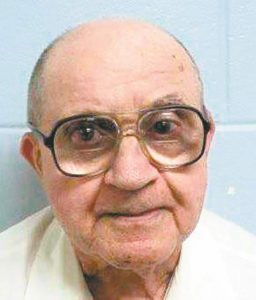
Thomas Edwin Blanton, Jr. AP
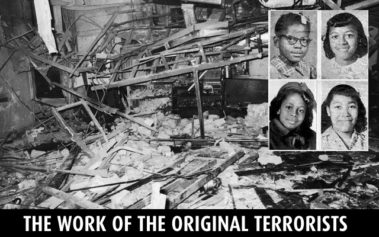
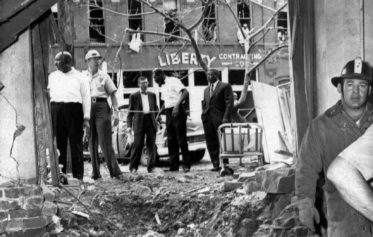
An Alabama man convicted in the Birmingham church bombing that became a defining moment of the Civil Rights Movement, faces a parole hearing next month.
Thomas E. Blanton, Jr., one of four Ku Klux Klan members suspected of planting the explosives that killed four African-American girls at the 16th Street Baptist Church in 1963, will appear before the Alabama Board of Pardons and Paroles in August, AL.com reports.
A jury of four African-Americans and eight whites convicted Blanton on four counts of first-degree murder in 2001, nearly four decades after the tragedy.
He is currently serving four life sentences at the St. Clair Correctional Facility in Springville, Alabama.
“He has shown no remorse. He’s shown no acceptance of responsibility. He has not reached out to the families or the community to show acceptance of responsibility,” said Douglas Jones, former U.S. attorney for Alabama’s Northern District, who led the prosecution team against Blanton. “I think that’s an important part of parole considerations, and it’s completely lacking in this case.”
Jones told the site he plans to oppose Blanton’s release at the Aug. 3 hearing.
Sarah Rudolph, whose older sister Addie Mae Collins lost her life in the attack, is also expected to attend, according to WBRC.
Experts say Blanton is unlikely to be paroled.
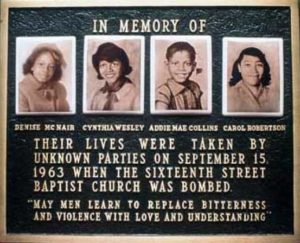 The historical church served as an informal headquarters for prominent leaders and organizations of the movement, including Dr. Martin Luther King Jr. and the Southern Christian Leadership Conference. The Sept. 15 bombing came just five days after President John F. Kennedy issued an executive order forcing the state of Alabama to integrate its schools.
It was the third such bombing in 11 days.
Although FBI officials secured enough evidence to pursue charges against Blanton, Herman Frank Cash, Robert Chambliss and Bobby Frank Cherry, then-FBI director J. Edgar Hoover — a staunch opponent of the Civil Rights Movement — blocked prosecution and closed the investigation in 1968.
The first conviction did not come until 1977, when Alabama Attorney General Baxley reopened the case, prosecuting Chambliss. Cherry’s conviction came one year after Blanton in 2002. Cash died in 1994 before charges could be brought against him.