The Sengwer of Kenya
Since the beginning of the European partition of Africa in the 1800s, the Sengwer in Kenya have suffered the same fate as other indigenous African cultures: forced assimilation. To date, there are only 60,000 Sengwer people still alive.
Many have had to abandon their traditions, move into towns and assimilate. There are only 5,000 people living in their traditional ancestral homeland in Embobut Forest in Marakwet. The Sengwer used the forest for collecting honey, hunting and gathering fruits and roots as well as collecting plants and herbs of medicinal value. Unfortunately, these forest lands have been converted into tea zones.
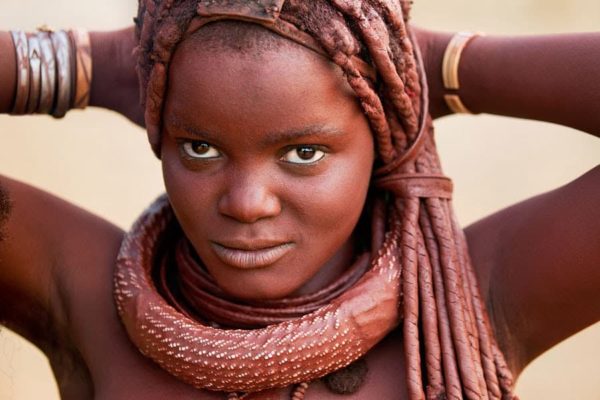 The Himba of Namibia and Angola
According to the most recent estimates, the Himba people have a population of about 50,000. This semi-nomadic group raises mostly goats, sheep and cattle. In fact, they measure wealth based on the number of cattle a man may have. The Himba women are famous for their red otjize paste used to retain moisture in the hair and skin due to the intense arid conditions of their homeland. For centuries, the ethnic group made their home in the northern region of the Namibia and along the Kunene River in Angola.
Over the past few years, European nations like Norway have launched mobile schools for Himba children because they saw the Himba as tourist attractions. These assimilation schools were used to teach the Himba European languages — like English —and dress. Since 2010, Namibia took them over and converted them into permanent schools. Himba leaders were outraged over the treatment of their children because these schools were used to forcibly assimilate Himban children into modern society.
In addition, there has been a 4-year tug-of-war over the construction of a dam in the Kunene River in the Baynes Mountains. The Himba have staged marches and ousted corrupt chiefs who would sell their traditional settlements.


