 Is there hope for Baltimore? A rebirth of the city? The state legislature is poised to approve significant funding with an eye toward turning things around in the beleaguered city.
As the Baltimore Sun reported, leading lawmakers in the Democratic-controlled Maryland General Assembly have agreed on an aid package amounting to more than $290 million. However, while Republican Gov. Larry Hogan is reportedly in favor of making Baltimore’s future “better and brighter,” he opposes the mandates that the Democrats will use in funding the plan, reportedly restricting how he can allocate funds in the budget.
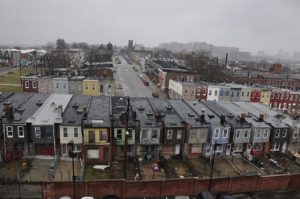
The legislative package, set for approval by state lawmakers, includes nine bills. Some of the initiatives include keeping libraries open 12 hours a day, seven days a week; a “next-generation scholars” mentorship program granting full college scholarships to poor students who enroll as eighth-graders; and funding for a program at Towson University to train people for jobs in construction. In addition, through the Department of Housing and Community Development, a $12 million fund will provide grants and loans to colleges and other groups — which the Washington Post refers to as “anchor institutions” — to develop blighted areas. Further, $16.5 million will be allocated for city parks.
The extensive aid package would also create a new school for adults to earn a high school diploma, and allow Baltimore public universities to give preference to city businesses in awarding contracts. Further, the legislation includes a measure to provide funding to after-school and summer programs, for which the governor would be required to include $10 million each year in the state budget 2018 through 2021, according to the Post.
“It’s an opportunity to show the country, if you will, that you can have a renaissance in these urban communities that seem to have fallen on hard times,” said House Speaker Michael E. Busch, as the Sun reported. “Baltimore can be an example of how to create a renaissance and a rebirth of your urban areas.”
“It’s a step forward to make a great city greater,” said Senate President Thomas V. Mike Miller, who added that the state’s projected $450 million budget surplus makes the plan possible.
Matthew A. Clark, spokesman for the governor, said the city “should serve as the economic and cultural heart of our state.”
“We clearly share many of the same objectives on issues like blight, but we can’t help but have concerns about the hundreds of millions of dollars in new, required spending in these bills,” he added, according to the Sun. Clark also noted that Baltimore already receives one-fifth of the aid given by the state of Maryland, one-third of the state’s construction budget and 62 percent of the transportation budget.
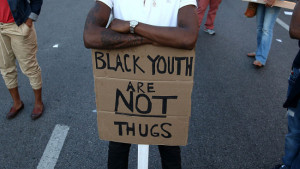
Baltimore began to receive more attention as a result of last year’s police killing of Freddie Gray, which led to protests and unrest in the city, and unearthed the deprivation, poverty, racial segregation and lack of opportunity facing Black residents.
Meanwhile, Baltimore County has announced a plan to spend $30 million over 10 years to encourage developers to build affordable housing, as BaltimoreBrew reported. The announcement comes with the settling of a 2011 federal housing discrimination suit filed by the Baltimore County NAACP, Baltimore Neighborhoods, Inc., and three residents of the county.
According to the complaint, Baltimore County perpetuated segregation by failing to expand affordable housing in more affluent neighborhoods. In the agreement — which was unveiled by assistant Housing and Urban Development secretary Gustavo Velasquez and others — County Executive Kevin Kamenetz is being asked to introduce legislation in the County Council that prohibits landlords from refusing to rent to people with Section 8 federal rental vouchers. Developers and landlords vehemently oppose the measure, according to BaltimoreBrew, and it has little hope of passage.