 The Organization of American States is to send a special mission to Haiti to oversee the transition of power and put an end to political tension that has engulfed the nation after presidential elections were cancelled last month.
The move followed a meeting between the OAS, delegates of the Community of Latin American and Caribbean Countries and Haitian officials in Port-au-Prince on Monday.
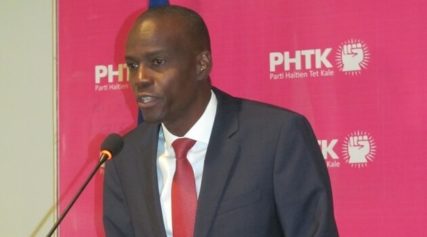
Among the CELAC delegates were Ecuador and Venezuela’s foreign ministers. They met the Haitian leaders as well as President Martelly’s chosen candidate, Jovenel Moise.
The arrival of foreign delegates has not been received well by some civilians, prompting protests in the Haitian capital.
Haiti’s opposition candidate, Jude Celestin, refused to participate in the January 24 run-off over allegations of irregularities that sparked anti-government protests and violence.
Martelly is due to leave office by Feb. 7, but he has vowed to stay until the country gets the next successor.
The first election was disputed after claims of rigging were made over the ruling party’s candidate, Moise who emerged the winner. This has lead to numerous protests from opposition demonstrators in the last two months.
The opposition are now calling for formation of a short-term interim government to take control after Feb. 7.
Other government supporters are also demanding that President Martelly should continue to stay in office for a peaceful transition.
Source: www.africanews.com