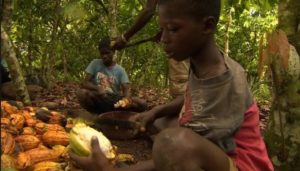
Child laborers in the Ivory Coast. (BBC)
Nestle, which is currently fighting child slave labor charges in Ivory Coast, has recently been hit with another charge of using forced labor.
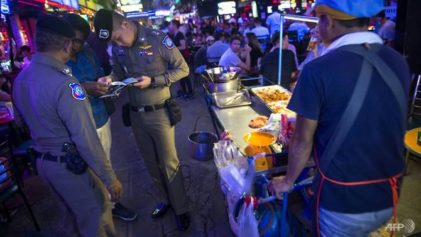
According to The Guardian, Nestle recently announced that it had found incidences of forced labor in its supply chain in Thailand. The company said a year-long investigation discovered enforced labor had been used in the seafood industry in Thailand, and in the production of Nestle’s Fancy Feast cat food brand.
The Guardian reported that although the laborers work in Thailand, most of them are actually from neighboring Myanmar and Cambodia. The laborers are lured into the seafood industry only to find themselves trapped into a vicious cycle of debt.
“I have been working on this boat for 10 years. I have no savings. I am barely surviving,” said one worker. “Life is very difficult here.”
Disturbingly, this is not the first instance where Nestle, the world’s largest foodmaker, has been found to be using slave labor. The Atlanta Blackstar reported that Nestle had also been accused of using enforced child labor in the cocoa industry in the Ivory Coast.
Reuters reported the U.S. Supreme Court recently ruled that a case against Nestle could proceed. The lawsuit also includes Archer Daniels Midland Co. and Cargill Inc.
Nick Grono, the chief executive of NGO the Freedom Fund, told The Guardian Nestle’s move shows the public is beginning to demand more accountability from large multinational corporations.
“Nestlé’s decision to conduct this investigation is to be applauded,” said Grono. “If you’ve got one of the biggest brands in the world proactively coming out and admitting that they have found slavery in their business operations, then it’s potentially a huge game-changer and could lead to real and sustained change in how supply chains are managed.”
According to The Guardian, the 2010 California Transparency in Supply Chains Act gave workers and consumers the power to file lawsuits against companies that were using misleading statements about anti-slavery efforts. The law requires large companies who do business in California to disclose their efforts to eradicate human trafficking and slavery from their supply chains.