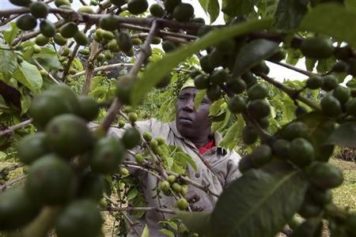
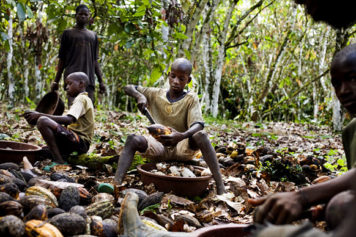
 Geneva-based chocolate manufacturer, Nestlé, has been accused of using child labor to produce its chocolate and other food goods. The 72nd-ranked company on the Forbes Fortune 500 Companies list has admitted to the heinous offense.
Last year Reuters reported that the company confessed and was willing to clean up its act. This year the company is facing a major lawsuit for its human rights violations.
The U.S. Supreme Court’s refusal to dismiss a lawsuit seeking to hold Nestlé, the world’s largest food maker, accountable for using child slaves to harvest cocoa in Africa looks set to be a landmark battle over labor used overseas, according to Reuters.
The case starts in 2005, when the lawsuit was filed against Nestlé, Archer Daniels Midland Co and Cargill Inc. by former child slavery victims originally from Mali in West Africa.
“We have fought for a long time to bring accountability to supply chains and to bring redress for the victims,”said Abby McGill, campaign director from the International Labor Rights Forum. “Every time you eat their chocolate you are benefiting from child slavery. There is very little cocoa production that isn’t sourced in a bad way, and it will take a long time to change that due to the nature of large corporations.“
Last September, the Fair Labor Association found that Nestlé has been exploiting underage workers for years in the Ivory Coast of West Africa.
“The use of child labor is unacceptable and goes against everything Nestlé stands for,” the company said in a statement. “Nestlé is committed to following and respecting all international laws and is dedicated to the goal of eradicating child labor from our cocoa supply chain.”
The company also been accused of using slaves in Asia for fishing. Since last August, the company has had a slew of lawsuits that claim Nestlé has used free labor from Thailand. On November 24 of last year, the company confessed. Nestlé admitted that slave labor has been used to produce its seafood sourced from Thailand.
Hopefully, these most recent incidents will deter other companies from using underage workers to increase profits.