 In the last few years, the rise of Nigeria’s economy to become the largest in Africa has often been heralded for overcoming numerous systemic obstacles but there remains one obstacle which many believe holds the country back: a chronic shortage of power supply.
With about 90 million Nigerians living without power, citizens are forced to live on expensively maintained generator sets. The effect of the lack of electricity is significant as it continues to hamper economic growth and hurts investor confidence. However a partnership between the World Bank, International Financial Corporation as well as local banks and energy firms in Nigeria could help assuage the pressing issue.
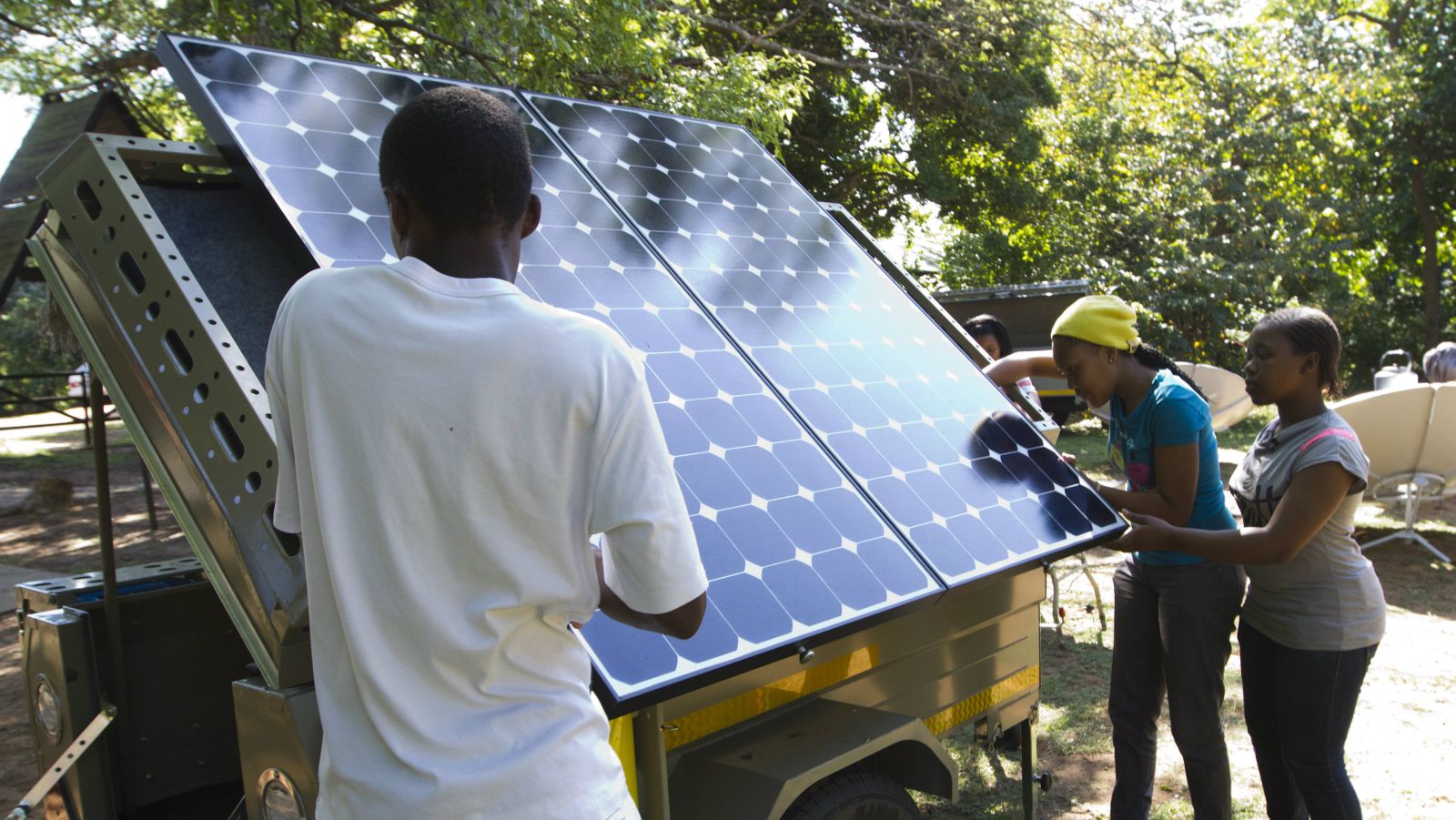
The Lighting Africa Project, as it has been tagged, will focus on helping to develop a private sector that will provide electricity, using solar power, to up to a million households in Nigeria. The project will target households without access to the national grid in rural communities over the next five years.
To make this happen, the World Bank will play a key role as it will provide low-interest financing for investors and energy firms involved in the partnership. One of the major goals of the project is to reduce the heavy dependence on kerosene lamps and gasoline-powered generators which pose various health and environmental risks.
Exploring solar energy could be a more realistic option to fix some of Nigeria’s power issues since building new national grids could cost billions of dollars. In the long-term, alternative clean energy will also help the country meet its ambitious plan to down emissions by as much as 45% by 2030 as part of the landmark climate change deal reached in Paris last week.
In line with this, Nigeria recently announced a ban on low-cost generators citing health risks caused by emissions and fire hazards. It also stepped up its national renewable energy program through an agreement with the United Kingdom in October.
A similar trend is visible across most of the continent as the African Union recently announced a $20 billion investment in renewable energy over the next decade. One example of a viable private sector solar model is M-Kopa in Kenya where the pay-as-you-go solution already reaches 275,000 households with plan to reach serve one million homes in East Africa by 2017.
Read the full story at qz.com