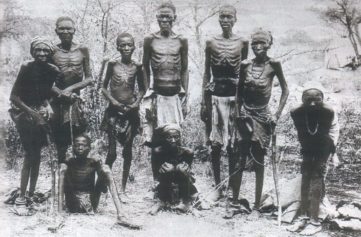
The Herero and Namaqua Genocide and Shark Island
After the Herero and Namaqua people rebelled against German imperialism in South-West Africa, or modern-day Namibia, German imperialists placed thousands of Namibians into concentration camps. The worst of these camps was that of Shark Island, or “Death Island,” off the coast of Lüderitz, Namibia. Those sent to Shark Island were solely placed there to die. This is considered by many historians to be the the first genocide of the 20th century. Between 1904 and 1908, 100,000 Herero and 10,000 Nama people lost their lives.
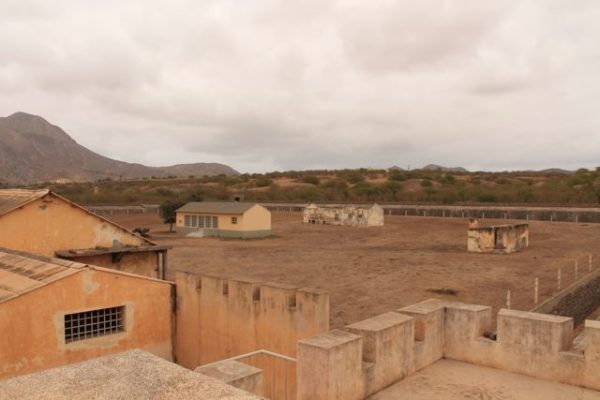
Tarrafal Camp of Cape Verde
Tarrafal Camp, also known as the “Camp of the Slow Death” was initially developed as a means to punish communists, anarchists, anti-colonialists, liberals, and any opposers of Antonio de Oliveira Salazar’s regime. Yet, in the 1970s it re-opened to “ imprison African leaders who were fighting the Portuguese for independence. The camp was the means by which the Portuguese stepped up the oppression of African captives. Many of the techniques utilized to torture African captives were inspired by the Nazi’s, as well as the oppressive practices of chattel enslavement.

The Mau Mau Uprising and Concentration Camps in Kenya
The Mau Mau Rebellion was a response to British colonialism. Between the 1954 and 1960, the Mau Mau Revolt helped to solidify Kenyan independence. It also brought about dreadful fates for those who were involved. For six years, British colonists established prison camps to punish Mau Mau suspects. To this day, Britain has done little to acknowledge its crime in Kenya, including the infamous Hola deaths in which “detainees at Hola detention camp were clubbed to death by prison warders after they refused to work,” according to an article published by The Telegraph.