 “The reality is this outbreak’s not over,” says Dr. William Fischer, speaking about Ebola. “It’s just changed.”
Fischer, a professor at the University of North Carolina who’s been studying Ebola survivors, was speaking about the new cases in Liberia. On Monday, a 15-year-old died of the disease. The teenager’s father and brother have also tested positive for Ebola. Health authorities have not yet determined how the family was infected.
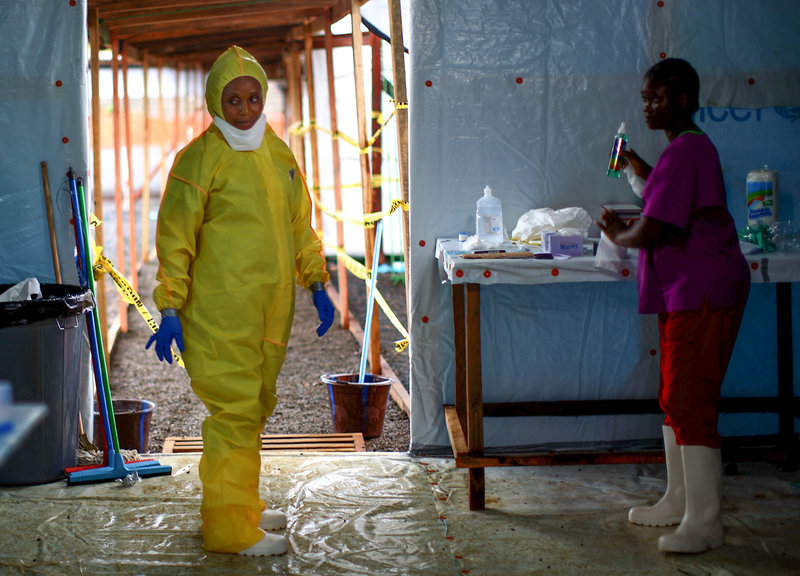
Liberian health officials say the 15-year-old boy visited several clinics in Monrovia last week before finally being directed to an Ebola treatment unit. The more than two dozen health care workers who came into contact with him are among the nearly 160 people now being monitored for signs of Ebola.
The World Health Organization had declared in May and then again in September that transmission of Ebola in Liberia had come to a halt. Both announcements turned out to be premature. In June, a 17-year-old boy died of the disease; the source of his infection was unknown.
And now there are the three new cases.
WHO officials say the latest cases hadn’t been in contact with any known Ebola survivors or done anything else that would have put them at obvious risk of getting the disease.
“I think it is a surprise for us all but it also just demonstrates how much we don’t know about the virus,” says Carissa Guild, a nurse who is in charge of Doctors Without Borders operations in Liberia.
“I think in Liberia now, especially the third time that it’s come back, even if we were thinking that maybe it’s over and that everything is over, it just shows us once again that Ebola can still come back and we don’t really necessarily know where or how,” Guild says. ” We still have to keep up our vigilance and we still have to be protecting ourselves as health care workers.”
Read the full story at npr.org