 It is no secret that South Africa views itself as somehow “outside” the African continent. The country’s National Development Plan, a roadmap for the next 15 years, concedes that even the country’s policy makers lack knowledge about the continent. They also, the plan’s authors say, “tend to have a weak grasp of African geopolitics”.
Over the years, South Africa has had a bad reputation as a hot spot for xenophobia, much of it directed against people from elsewhere in Africa who are part of the large immigrant population in South Africa — about 2.2 million according to the 2011 Census.
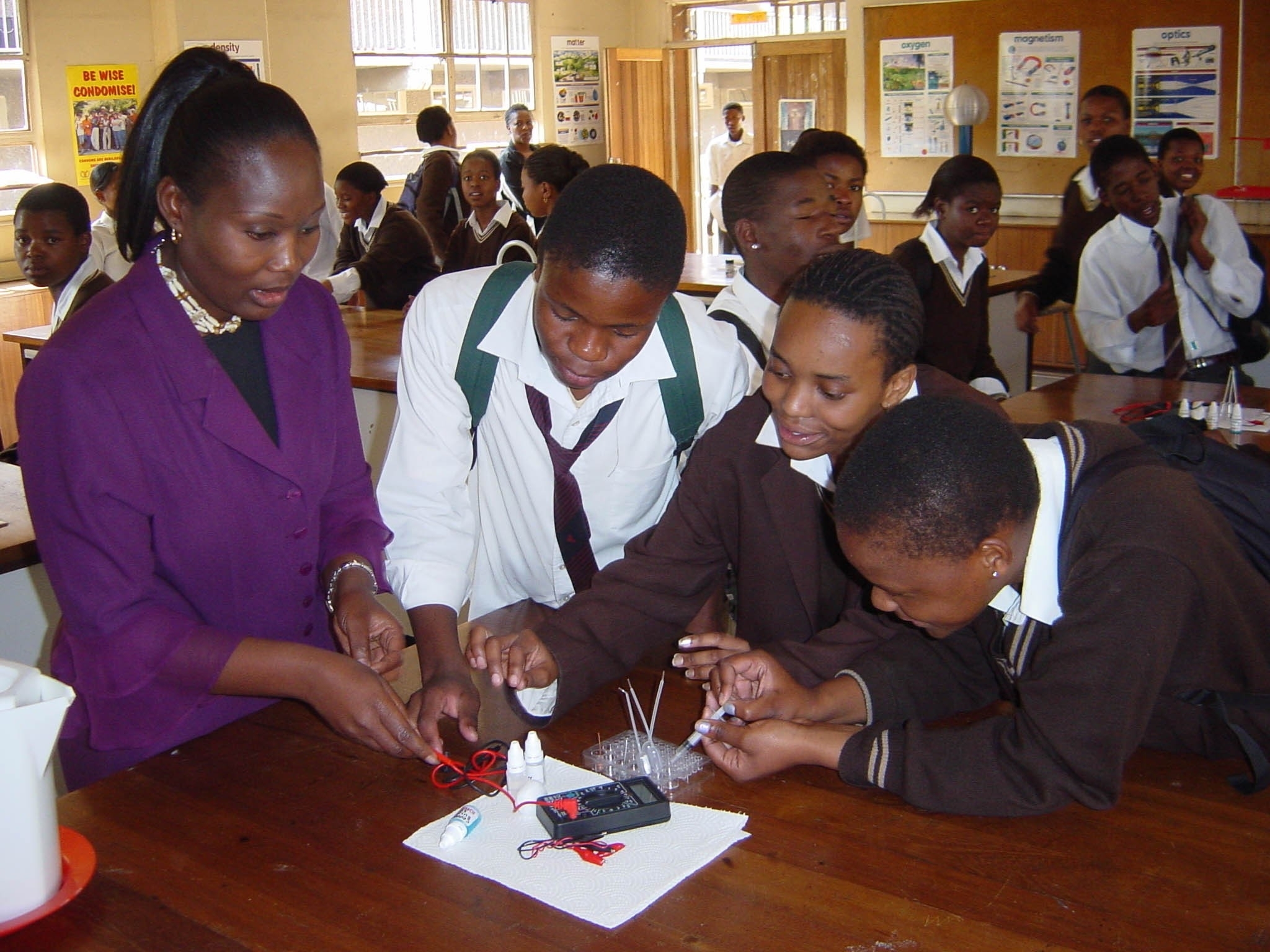
People may think that university students wouldn’t hold bigoted attitudes towards fellow Africans. After all, they spend much of their time in spaces dedicated to knowledge and learning, surrounded by people from all over the continent and world.
But research has shown that some South African students are as guilty of xenophobic attitudes and behavior as anybody else. This is particularly problematic because the country is a regional hub for students from across the African continent.
Universities must work harder to produce graduates who embrace South Africa’s “African-ness”, treat their peers from the rest of the continent with respect and spread this attitude among their communities. But how could this be done?
In Go Home or Die Here, a book about a wave of xenophobic attacks that shook South Africa in 2008, academic Pumla Dineo Gqola was very critical of the country’s universities.
She argued that universities had not done enough since democracy in 1994 to open students’ horizons about Africa. This, Gqola wrote, has:
“. . . contributed to the ignorance of the continent we are part of and inadvertently allowed the faceless African man and woman to remain throwaway people.”
In more than eight years as a postgraduate student, lecturer and researcher in South Africa, I’ve encountered too many students with indifferent attitudes towards the continent. Most of the students I have dealt with don’t seem interested in learning about Africa. Some have even asked about my travels “in Africa”, as though the country at the southernmost tip is not part of the continent.’’
The 2008 attacks prompted a great deal of introspection throughout society, though such eruptions have become all too common in the past seven years. Universities have publicly condemned such violence — but they don’t appear to have done much else.
Read the full story at herald.co.zw