8 Things to Know About the Cuban Literacy Campaign

cuba-sugar-field

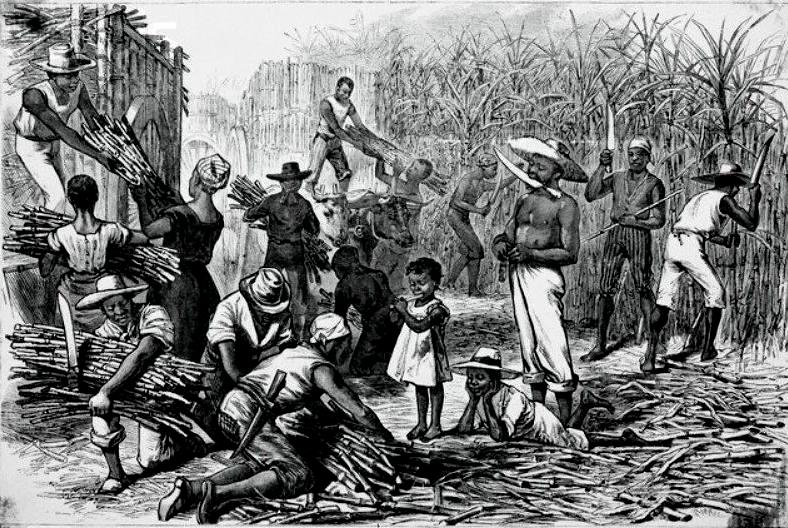
The Cuban Literacy Campaign was, in essence, a response to Cuba’s history of slavery, colonialism, and imperial oppression.

From Cuba’s first revolution led by Hautey in 1510 to Cuba’s First War of Independence in 1868, Cubans have had to endure and resist unwarranted oppression inflicted upon them by Spanish invaders. In his essay, “Rebel Literacy: Cuba’s National Literacy Campaign,” Mark Abendroth conveys that when “Spanish colonialism was replaced by U.S. neo-colonialism in 1898,” the Cubans continued to fight. The fighting diminished with the success of the Cuban Revolution. The Cuban Literacy campaign was but a sequel to the Cuban Revolution.
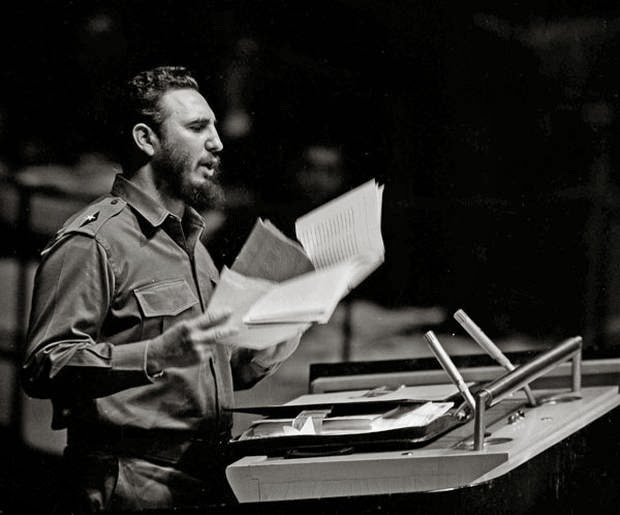
 

Fidel Castro 1960's UN Assembly

The Cuban Literacy Campaign began with Fidel Castro’s pledge to ensure that Cuba would be completely literate.

On September 26, 1960, Fidel Castro, who was Cuba’s prime minister at the time, attended an assembly hosted by the United Nations in New York City. There, he rendered the following words: “In the coming year, our people intend to fight the great battle of illiteracy, with the ambitious goal of teaching every single inhabitant of the country to read and write in one year.” Soon after, he helped to launch the most dedicated literacy campaign to ever exist.


Independent journalism still matters.

We hope this story was worth your time. For over 14 years, Atlanta Black Star has stayed Black-owned and independently run. We didn't get here by waiting on ad budgets that were never built to prioritize us. Our readers did that.

Corporate support for Black media has always been thin. Outlets like ours get roughly 1% of the $170 billion spent on U.S. advertising each year, and that margin is shrinking further as advertisers walk back the DEI-linked commitments they made in 2020. That's the backdrop. It's not why we're asking.

The wider picture isn't any steadier. Newspaper ad revenue has fallen more than 80% since 2005, and local newsrooms are closing at a rate of roughly two a week nationwide. When outlets go under, it's rarely the ones built to center a Black perspective from the ground up that get to stick around.

We know a request for support isn't why you came here. But without readers choosing to fund this work directly, the depth of reporting we can do at home and abroad shrinks along with everyone else's. If you're not in a position to give, that doesn't change how much we value you as a reader.

If you are able to, a recurring contribution does more for us than a single one-time gift, because it lets us plan the next investigation instead of just the next invoice. It takes about 30 seconds, no long form, no account. Thank you for continuing to support independent journalism and freedom of the press.

Back to top