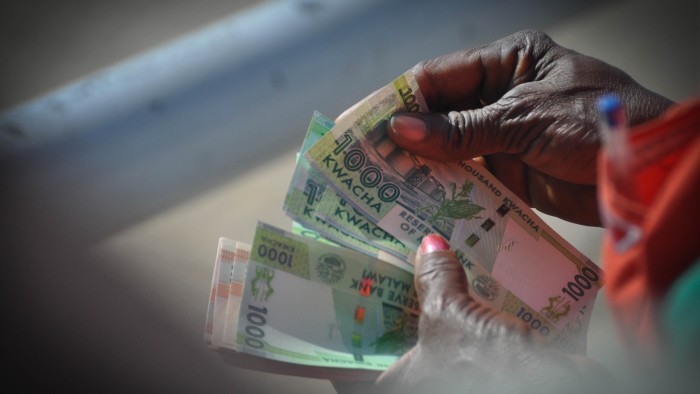
 European and African leaders will this week pledge to slash the cost of remittances, resulting in potentially huge savings for migrants who collectively send more than $586bn to their home countries each year.
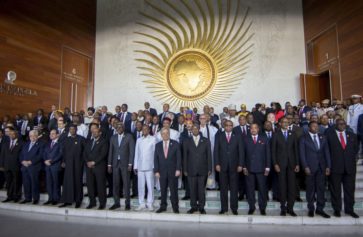
Leaders will promise to reduce transaction costs to “less than 3 per cent” of the total sent by 2030, during a migration summit between the EU and more than 30 African countries. At the moment, money transfer companies charge an average fee of 8 per cent to send $200, according to the World Bank.
The ambitious proposal comes as part of a package of aid pledges and reforms aimed at reducing the uncontrolled flow of people heading from Africa to the EU. The target goes further than previous demands, such as a call in 2011 by Bill Gates, Microsoft co-founder, for the Group of 20 leading economies to slash remittance charges to 5 per cent.
Although still dominated by large groups such as Western Union, the market for remittances has been opened up in recent years by smaller companies which argue that sending money can be done more cheaply. Defenders argue that the fees represent a fair cost of business for companies operating in a risky market.
Migrants have started sending smaller amounts of cash more frequently, meaning fees now often swallow up a bigger chunk of the total, according to Ismail Ahmed, chief executive of WorldRemit, an online remittance group.
Some official remittance services in eastern Africa charge well over 8 per cent, particularly for amounts of less than $500, meaning that backstreet operators are a tempting alternative.
Lower fees from established transfer groups would discourage people from the risk of sending their money via unofficial channels, according to Caroline Njuki, the regional migration co-ordinator for the Intergovernmental Authority on Development, whose members are eight Horn of Africa countries.
“At the moment many people send remittances through unregulated ways to save on the fees, and the money sometimes just doesn’t arrive,” said Ms Njuki.
Haweeyo, a Somali woman leaving a Nairobi branch of Dahabshiil, one of Africa’s largest money transfer companies, said the benefits of lower fees would be enormous. “You get what you pay for,” she said. “I don’t trust the money lenders and unofficial agents, so I have no choice but to come here. If the fees are cut, I would not have to work so long, or I could use the money for other things.”
She said her younger brother once tried to use an agent she described as a “cheap, backstreet crook” and the money took three weeks to arrive. “The guy had effectively borrowed it,” she said. “And my brother was lucky. That money could have been stolen.”
Source: www.ft.com