 From January 2016, the African Standby Force (ASF) will be able to intervene in cases of war crimes, genocide or crimes against humanity if an African Union member state requests assistance or if the AU itself considers the situation serious enough.
It will also be able to provide humanitarian assistance and undertake peacekeeping and observer missions, although any deployment would be subject to donor funding.
This multidisciplinary force will be made up of five brigades – each with police, military and civilian components that could be deployed within 14 days in their own regions.
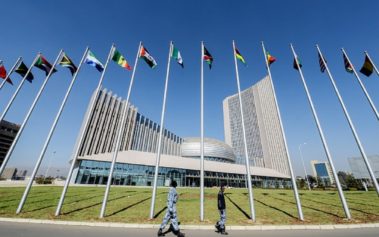
The Cameroonian city of Douala will host the logistics base, where equipment will be stored, but the ultimate power remains in Addis Ababa, at the AU headquarters in the Ethiopian capital.
The force was initially expected to be ready by 2008, but AU members have dragged their feet over its creation.
It was part of Muammar Gaddafi’s vision for his United States of Africa.
Regardless of the late Libyan leader’s intentions, it was clear that the continent needed an improved response to its continuous conflicts.
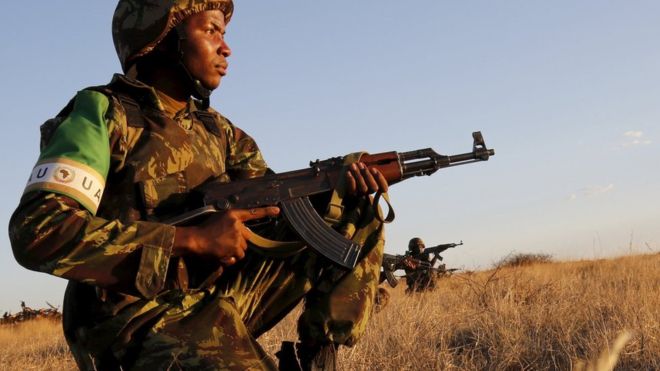
At the moment, 5,000 troops from around the continent are taking part in an ASF field training exercise in South Africa to help evaluate how ready the force is to deploy.
The number of personnel is expected to rise to 25,000 by the time the force is operational in January.
But Africa does have experience in mounting special response operations, and has already begun taking responsibility for its own peacekeeping, even providing most of the troops in the UN missions on the continent – more than 8,000 troops from Ethiopia alone.
Read the full story at bbc.com