
Integration
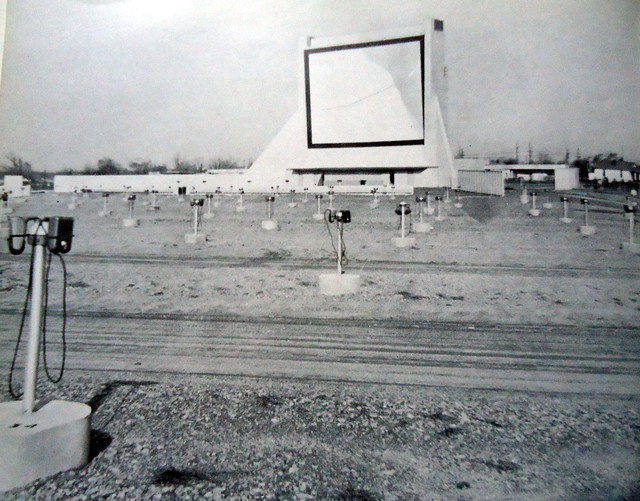
By the 1970s, integration changed the community forever. While integration was typically seen as a good thing, it hurt Orange Mound. The wealthiest and the most skilled people moved out of the community to white neighborhoods, taking their businesses and skills with them. Younger people also moved out and left a financial chasm that still hasn’t been filled.
Famous Residents
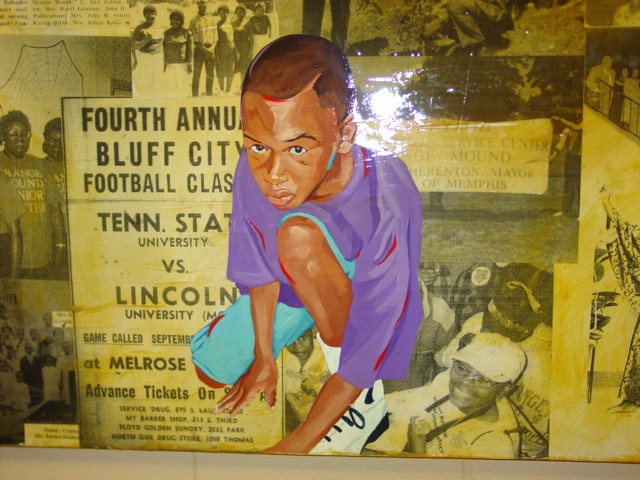
During the peak of community’s economic success until now, there have been many residents who went on to become athletes, civil rights leaders and groundbreaking pioneers in various fields. Orange Mound was home to Harper Brewer, the first Black Speaker pro tem of the Tennessee House of Representatives, Kenneth Whalum (junior and senior), and justices Otis Higgs, Jr., Gwen Rooks, Walter Evans, and Ernestine Hunt-Doris. Musicians such as Willie Mitchell and Carl Cunningham, and Grammy Award winner and current Stax CEO, Kirk Whalum, were part of Melrose High School’s band. Also, pro-football players, Andre Lott, Jerome Woods and Dewayne Robertson were residents of Orange Mound. Olympic Gold medalists, Sheila Echols and Rochelle Stevens, and basketball’s Larry Finch also hail from the community. Additionally, critically-acclaimed rappers Eightball & MJG call Orange Mound home.
The Present
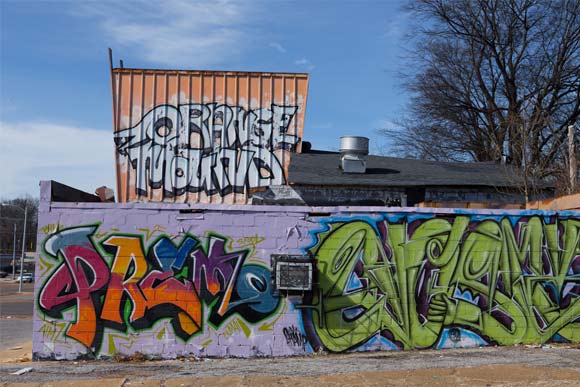
In the 1890s and early 1900s, Blacks in Orange mound thrived at a time when most African-Americans in the South were plagued by Jim Crow and had little to no access to viable resources. Today, the community of Orange Mound has a population of 5,294 and the once prosperous community is now on life support. Crime has become an issue because of a lack of wealth and jobs. However, members of the community are actively revitalizing the community with new homes, community gardens, and investment in better facilities for Melrose High School.


