7 Little Known Facts About the First African-American Built Neighborhood in the United States

P1030792

The Creation of Orange Mound 

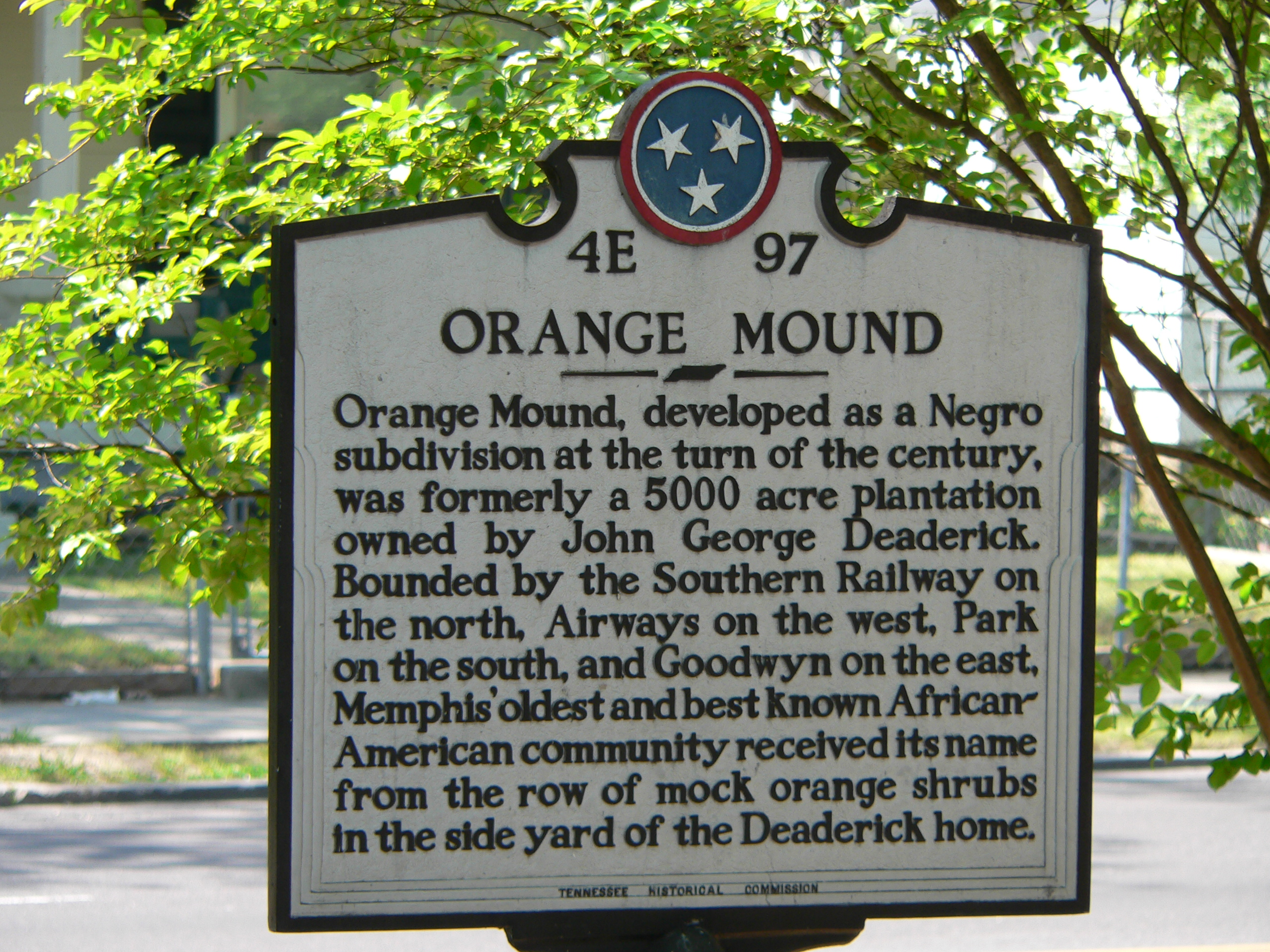
In 1890, white developer E. E. Meacham purchased land from the Deaderick family, plantation owners in Memphis Tennessee.  He sold lots to African-Americans for less than $100. The subdivision was named Orange Mound and became the first all Black community in the U.S., specifically built for Black people. According to Laura Nickas for Tennessee Encyclopedia of History and Culture, “The new neighborhood bordered the Mid-South Fairgrounds to the southeast while a stronghold of the KKK bordered the fairgrounds just to the west.”
 

resize

One of the Largest Concentration of Blacks outside of Harlem

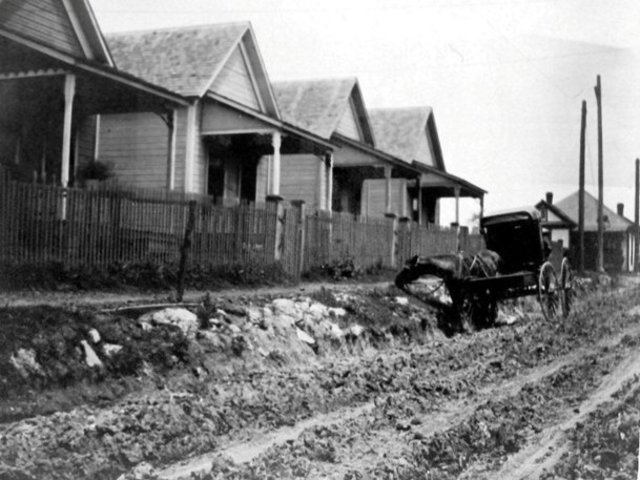
The neighborhood was named after the Osage Orange hedges that had lined the former Deaderick Plantation. Almost all Blacks owned their homes. In the 1970s, Orange Mound was billed as “the largest concentration of blacks in the United States except for Harlem in New York City.” The neighborhood provided a refuge for Blacks moving to the city for the first time from rural areas. Although the streets of the early Orange Mound were unpaved, it was a vibrant community in which a mix of residences, businesses, churches, and cultural centers flourished.

Still independent.

We hope this story was worth your time. For over 14 years, Atlanta Black Star has stayed Black-owned and independently run. We didn't get here by waiting on ad budgets that were never built to prioritize us. Our readers did that.

Corporate support for Black media has always been thin. Outlets like ours get roughly 1% of the $170 billion spent on U.S. advertising each year, and that margin is shrinking further as advertisers walk back the DEI-linked commitments they made in 2020. That's the backdrop. It's not why we're asking.

The wider picture isn't any steadier. Newspaper ad revenue has fallen more than 80% since 2005, and local newsrooms are closing at a rate of roughly two a week nationwide. When outlets go under, it's rarely the ones built to center a Black perspective from the ground up that get to stick around.

We know a request for support isn't why you came here. But without readers choosing to fund this work directly, the depth of reporting we can do at home and abroad shrinks along with everyone else's. If you're not in a position to give, that doesn't change how much we value you as a reader.

If you are able to, a recurring contribution does more for us than a single one-time gift, because it lets us plan the next investigation instead of just the next invoice. It takes about 30 seconds, no long form, no account. Thank you for continuing to support independent journalism and freedom of the press.

Back to top