Before Rosa Parks: 6 Facts About Civil Rights Activist Mary Louise Smith and the Other Women Who Refuse To Be Moved

MTE5NDg0MDU0NDk2ODM5MTgz

Claudette Colvin (born Sept. 5, 1939)

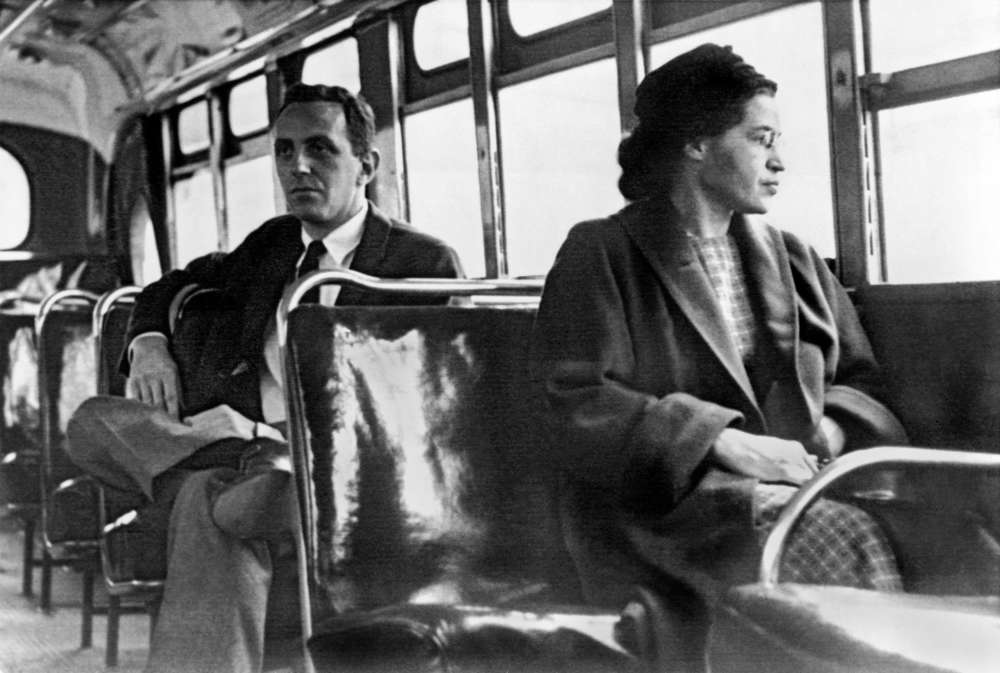
Nine months before Parks, Colvin was the first woman on record to refuse to give up her seat. On March 2, 1955, Colvin was seated near the emergency exit on the bus along with a pregnant woman, Ruth Hamilton. The bus was filling up and a white woman wanted to sit where Colvin was. The bus driver wanted both Hamilton and Colvin to move and both women refused to relinquish their seats. An man sitting behind them allowed Hamilton to take his seat. However, at 15, Colvin decided to take a stand by not giving up her seat and was arrested for it.  “And I said, ‘I paid my fare and it’s my constitutional right,’ ” she recalls. “I remember they dragged me off bus because I refused to walk. They handcuffed me and took me to an adult jail.”
MTE5NDg0MDU0Mzc5NzI2MzUx

Why Rosa Parks? 

Parks was a 42-year-old professional and an officer in the NAACP. She was the symbol that civil rights leaders were looking for. In an interview with NPR, Colvin believes that the NAACP thought that she was too militant and Parks was mild and genteel. “Later, I had a child born out of wedlock. I became pregnant when I was 16,” Colvin says. “And I didn’t fit the image either, of, you know, someone they would want to show off.”


Democracy needs journalism it can trust.

This election season, the stakes are higher than usual — and so is the pressure on newsrooms to soften their coverage, stay quiet, or just disappear. Independent reporting, the kind that answers to readers instead of advertisers or political pressure, matters more in a moment like this, not less.

For over 14 years, Atlanta Black Star has stayed independent and reader-funded. We have no corporate owner and no shareholders telling us what to cover or how to cover it. That independence is also our biggest vulnerability: nothing protects it except readers choosing to fund it directly.

Newspaper ad revenue has fallen more than 80% since 2005, and local newsrooms are closing at a rate of roughly two a week nationwide. When outlets go under in a moment like this, it's rarely the independent, reader-funded ones that get to stick around.

We know a request for support isn't why you came here. But without readers choosing to fund this work directly, the depth of reporting we can do at home and abroad shrinks along with everyone else's. If you're not in a position to give, that doesn't change how much we value you as a reader.

If you are able to, a recurring contribution does more for us than a single one-time gift, because it lets us plan the next investigation instead of just the next invoice. It takes about 30 seconds, no long form, no account. Thank you for continuing to support independent journalism and freedom of the press.

Back to top