Dr. Horace Mann Bond © James Bond
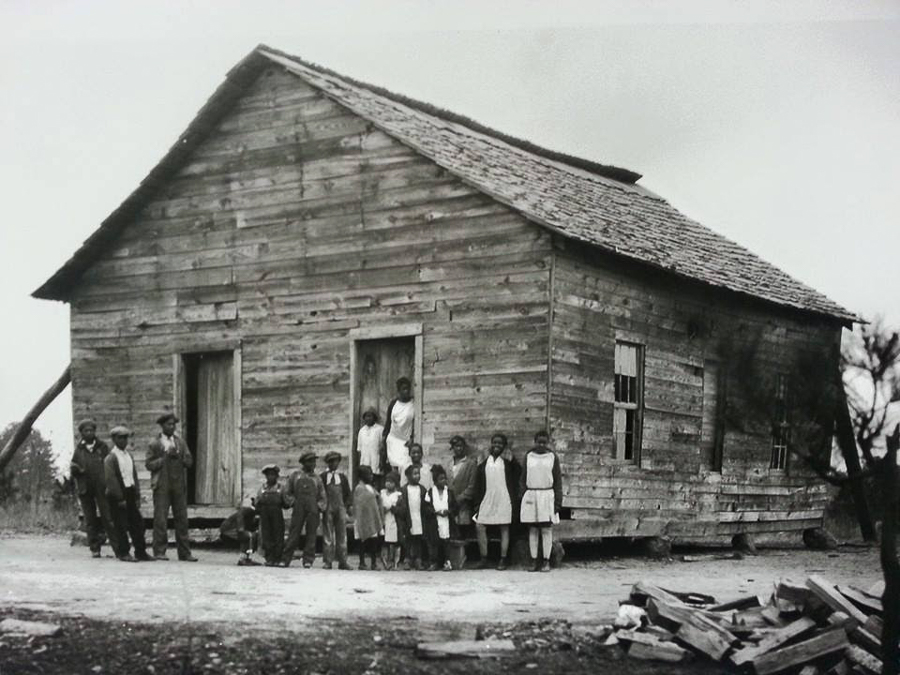
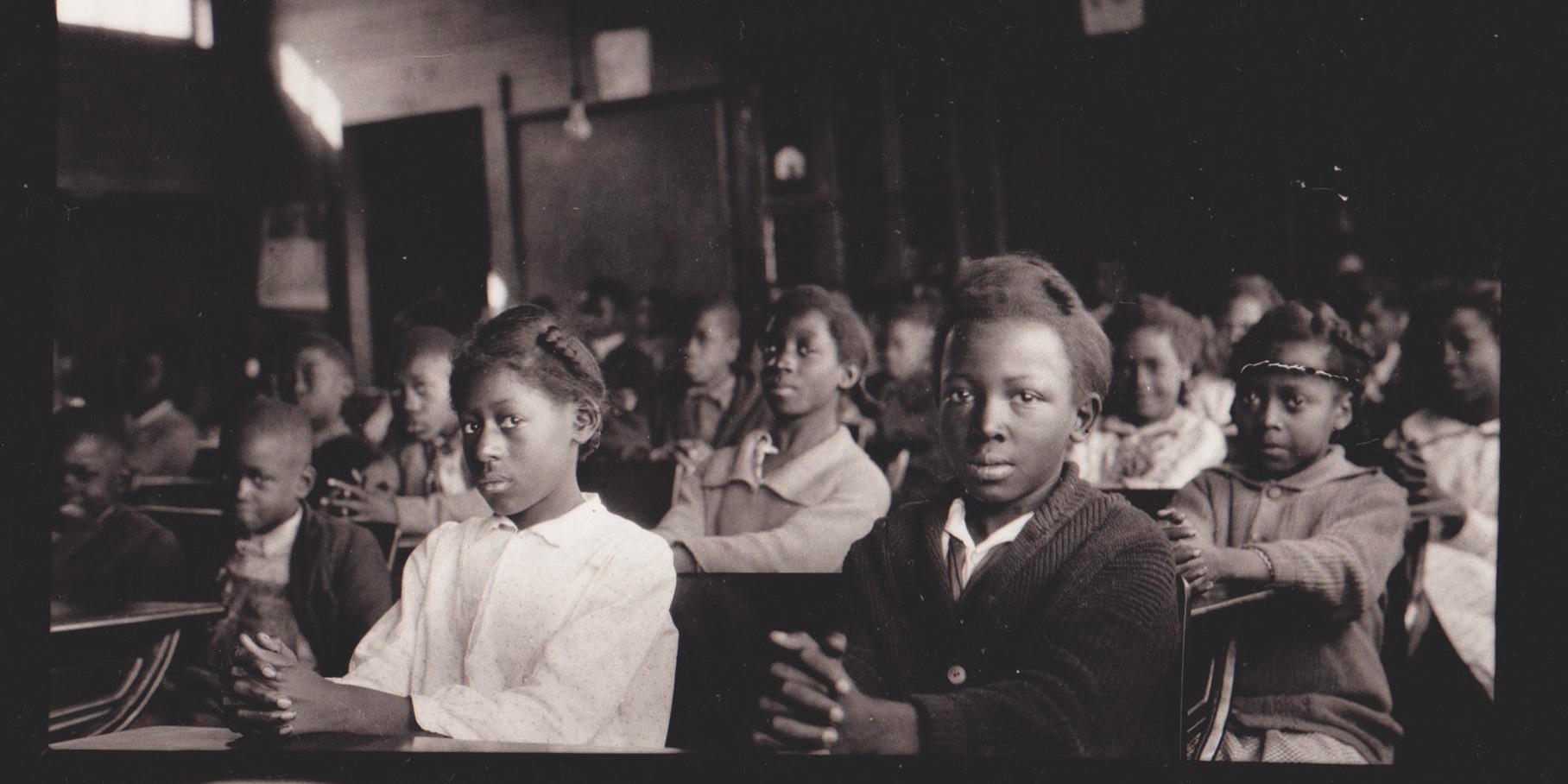
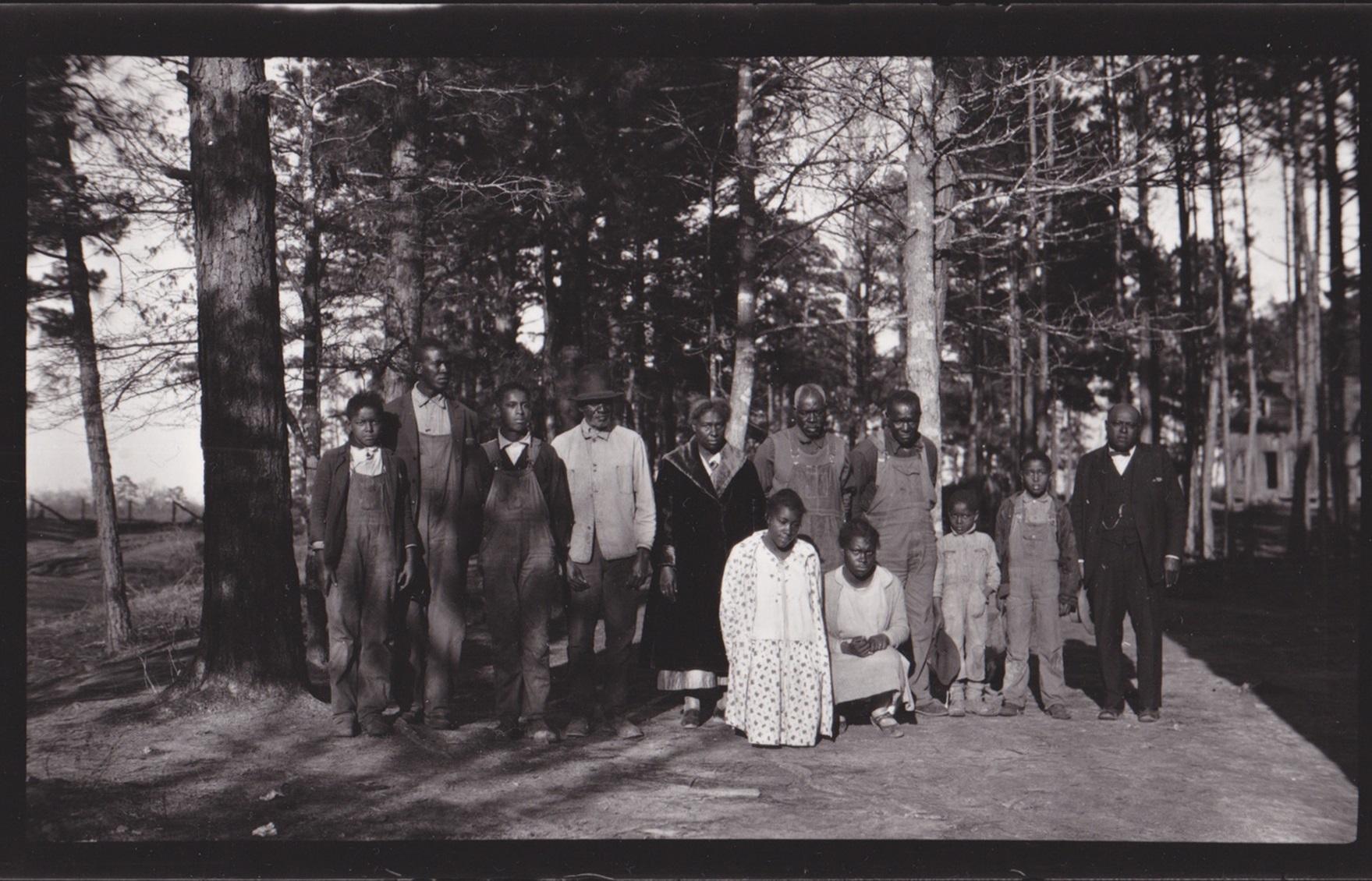
In 1929, Dr. Horace Mann Bond, social science researcher, historian and father of the late Julian Bond, participated in a field study of Black student achievement in North Carolina, Alabama, and Louisiana. Visiting more than 700 schools across these states, Dr. Bond and his wife, Julia, administered standardized tests and photographed the educational experiences of close to 10,000 students.
Funded by Julius Rosenwald, the study was to explore poverty and race relations in the rural south. Rosenwald hoped to show that the students in these segregated schools exceeded educational expectations despite the lack of resources that were available to white students and gain support for his “Rosenwald Schools.” Dr. Bond, however, according to his son James, “was hoping to prove that it’s environment, that if you give people the opportunity, they’ll achieve,” regardless of their circumstances.
Dr. Horace Mann Bond © James Bond
Dr. Bond’s early publications on African-American education were published in the NAACP’s The Crisis in the mid-1920’s. He early on was a critic of intelligence testing that lead to erroneous conclusions that African-Americans were intellectually inferior on the basis of race when the data used to assert these conclusions also indicated that whites scored substantially lower on the same instrument. Dr. Bond would later hold key administrative positions at Dillard and Fisk Universities and would become the first president of Fort Valley State College in 1939.
Though he was an academic and not a professional photographer, the images of these little-known communities captured by Dr. Bond give a clear picture as what his life’s work was about: seeing African-Americans achieve.
Dr. Horace Mann Bond © James Bond
In an interview with NPR, James Bond said of his father, “the advice my father gave me, was don’t stop and say that’ll do, that’s good enough, that you have to keep going until you achieve what you want to do.”
The collection of 80 photographs from this study, Education of the Negro: a photographic study by Dr. Horace Mann Bond, will be on display this month at Gallery L1, 828 Ralph McGill Blvd NE, Suite L1, Atlanta, as part of Atlanta Celebrates Photography. The exhibit will run through October 31 with a film screening on October 25, and a lecture about the series on October 22.