‘The HateFul Eight’ Director Quentin Tarantino Reveals Dislike of Black Critics

2012-celebs-topic-quentin-tarantino

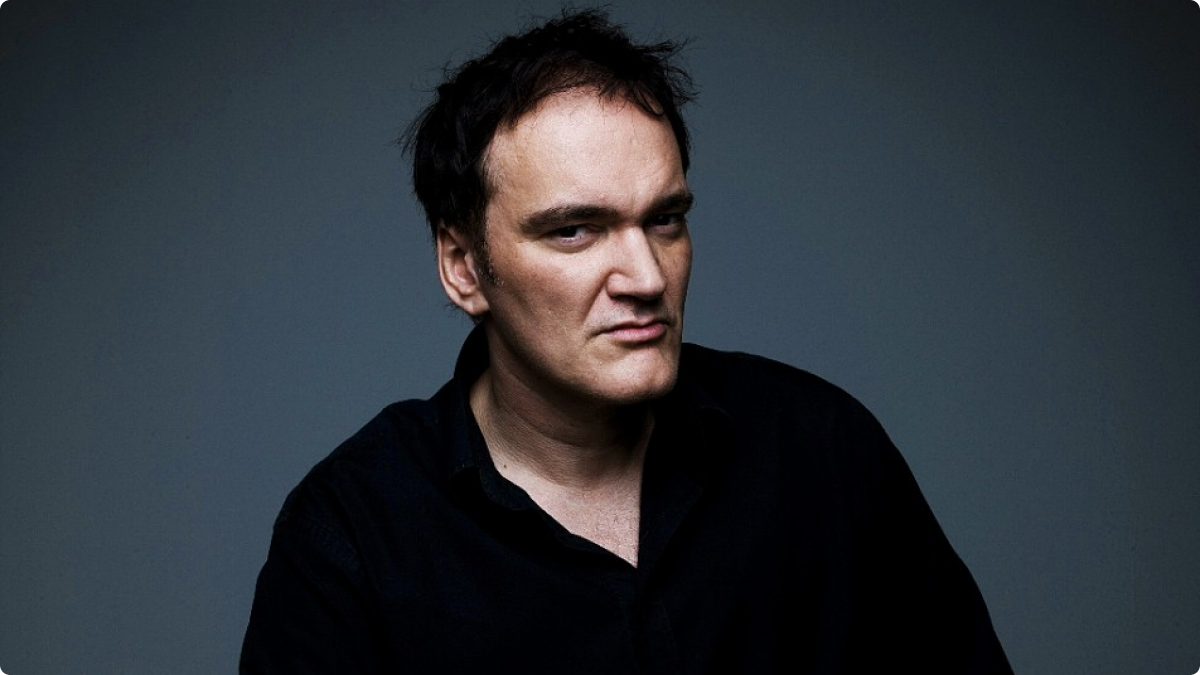
Director Quentin Tarantino

Director Quentin Tarantino is under fire after an interview with the New York Times.

In the director’s career, he has been chastised for his liberal use of the N-word. In the interview with Bret Easton Ellis,  Tarantino does not shy away from his dislike of such criticisms.

“If you sift through the criticism, you’ll see it’s pretty evenly divided between pros and cons,” he states. “If you’ve made money being a critic in black culture in the last 20 years you have to deal with me. You must have an opinion of me. You must deal with what I’m saying and deal with the consequences.”

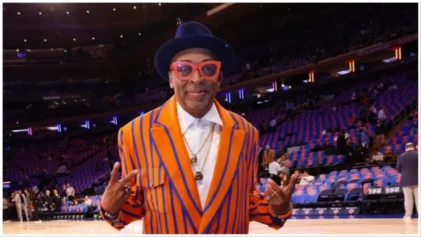
His last film, 2012’s Django Unchained, was the climax of this controversy. Director Spike Lee criticized the excessive use of the N-word in the film.

“American Slavery Was Not A Sergio Leone Spaghetti Western. It Was A Holocaust. My Ancestors Are Slaves. Stolen From Africa. I Will Honor Them,” Lee tweeted.

Black director Antoine Fuqua defended Tarantino, saying the filmmaker didn’t have a “racist bone in his body,” as did Django’s star, Jamie Foxx. Black people also made up 42 percent of the audience for Tarantino’s blood-spattered spaghetti western.

Tarantino went on to defend himself in the interview.

“When the Black critics came out with savage think pieces about Django, I couldn’t have cared less,” he said. “If people don’t like my movies, they don’t like my movies, and if they don’t get it, it doesn’t matter.”

If the director believes that Black critics don’t matter, should his films matter to the Black community?

Democracy needs journalism it can trust.

This election season, the stakes are higher than usual — and so is the pressure on newsrooms to soften their coverage, stay quiet, or just disappear. Independent reporting, the kind that answers to readers instead of advertisers or political pressure, matters more in a moment like this, not less.

For over 14 years, Atlanta Black Star has stayed independent and reader-funded. We have no corporate owner and no shareholders telling us what to cover or how to cover it. That independence is also our biggest vulnerability: nothing protects it except readers choosing to fund it directly.

Newspaper ad revenue has fallen more than 80% since 2005, and local newsrooms are closing at a rate of roughly two a week nationwide. When outlets go under in a moment like this, it's rarely the independent, reader-funded ones that get to stick around.

We know a request for support isn't why you came here. But without readers choosing to fund this work directly, the depth of reporting we can do at home and abroad shrinks along with everyone else's. If you're not in a position to give, that doesn't change how much we value you as a reader.

If you are able to, a recurring contribution does more for us than a single one-time gift, because it lets us plan the next investigation instead of just the next invoice. It takes about 30 seconds, no long form, no account. Thank you for continuing to support independent journalism and freedom of the press.

Back to top