The family of a Black man shot in the back by a police officer will receive $6.5 million from the city of North Charleston, S.C.
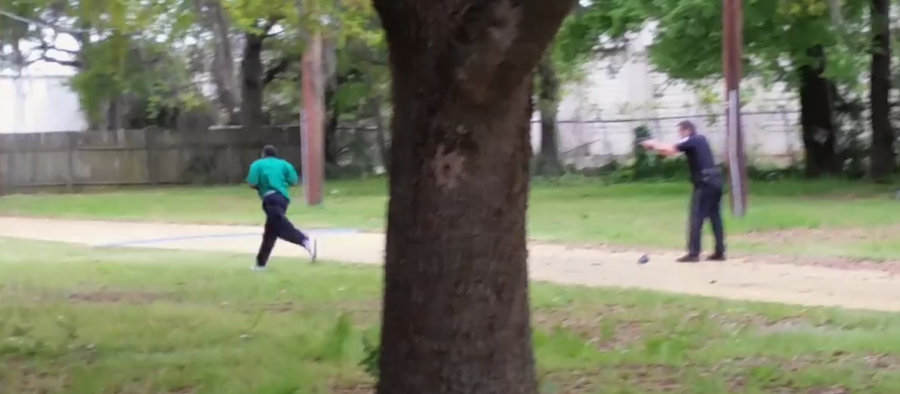
Walter Scott was shot in the back by North Charleston police officer Michael Slager while fleeing a traffic stop. The incident, which was captured on cellphone by a bystander, sparked international outrage.
Slager is currently in jail facing murder charges. He is being housed in the same jail facility as Dylann Roof, a white supremacist who killed nine Black churchgoers this summer. Slager is facing 30 years to life without parole if convicted. Prosecutors are not expected to seek the death penalty.
According to a statement released by North Charleston Mayor R. Keith Summey, the payment will settle all claims the Scott family had against the city. The city council voted 10-0 to approve the settlement.
“I am glad the city and the family were able to reach a settlement without the necessity of a lawsuit,” he said.
Reuters reported Scott’s mother, Judy, was grateful for the settlement.
“It could have been a trillion dollars. It would never bring my son back. But I thank them for what they did,” she said.
Chris Stewart, Scott family attorney, said the settlement will take care of Scott’s four children for the rest of their lives. He said the settlement was the largest in South Carolina history, and one of the largest in the United States.
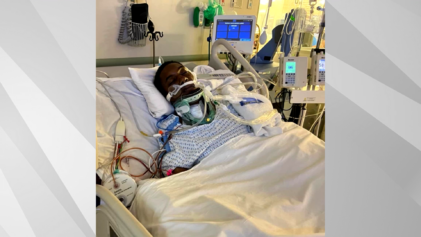
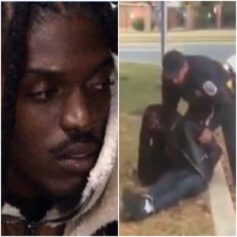
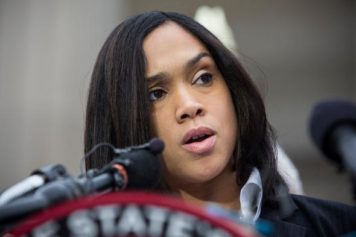
Across the country, cities are paying a steep price for police brutality. The city of New York has agreed to pay the family of Eric Garner, a Black man choked to death by a New York police officer, $5.9 million. Last month, Baltimore said it would pay the family of Freddie Gray, a Black man fatally injured during a police van ride, $6.4 million.
Taxpayers don’t seem to be aware of the high cost of bad policing.
The 10 cities with the largest police departments in the nation paid out $248.7 million in police misconduct settlements last year, which include alleged shooting, beating and wrongful imprisonment, according to data collected by The Wall Street Journal. This represents a 48 percent increase from $168.3 million in 2010.