Fifth Third Bank
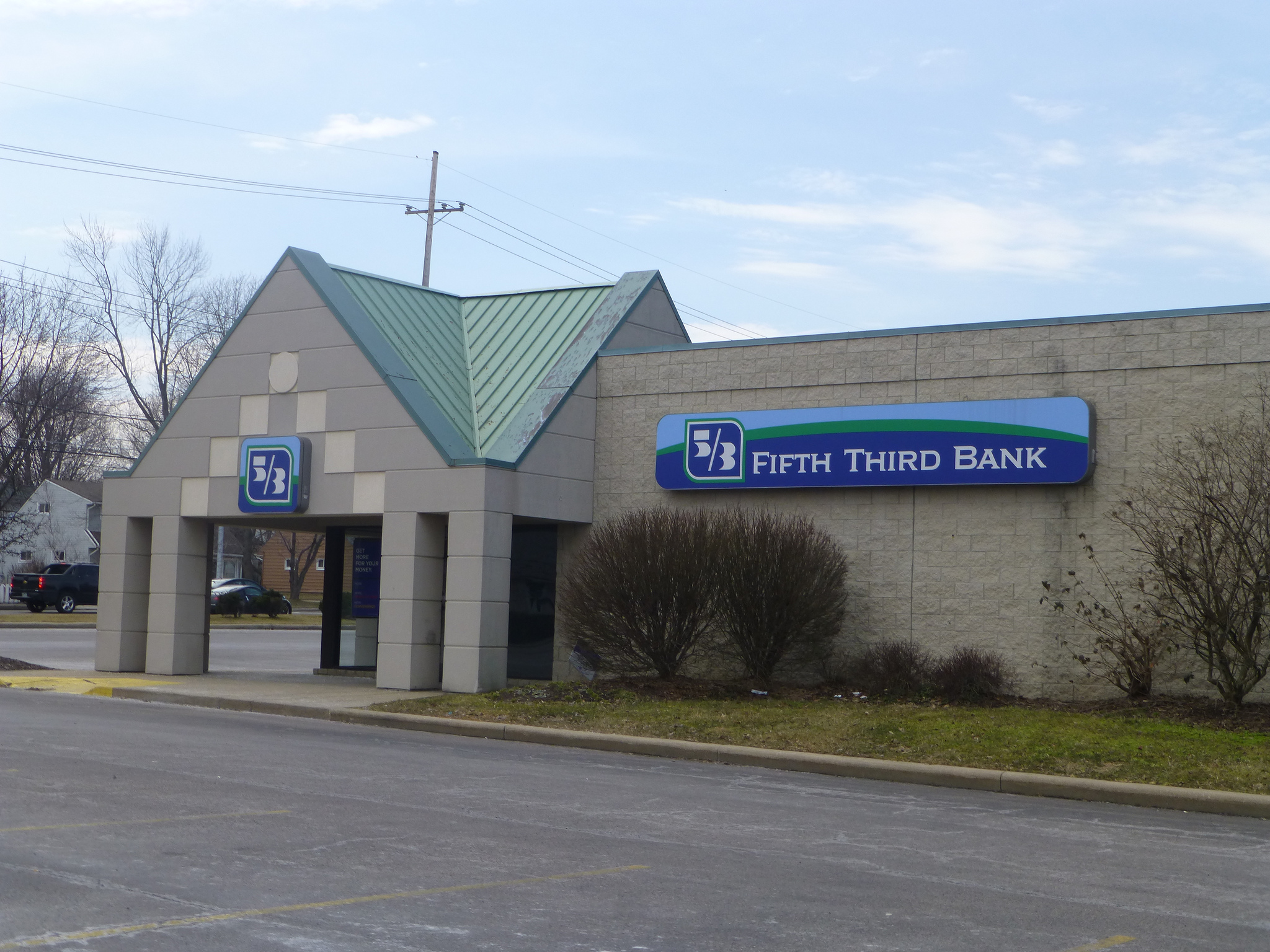
An Ohio-based bank has come under fire for charging Black and Latino customers more interest on auto loans, a joint investigation by the U.S. Department of Justice and the Consumer Financial Protection Bureau has found.
Fifth Third Bank, which has 1,300 banking locations in 12 states, has agreed to pay an $18 million settlement related to indirect auto loans made through dealerships. The bank allowed dealers to raise interest rates as they saw fit, which resulted in them charging customers of color $200 more over the course of auto loans than white customers. Some dealers charged customers as much as 2.5 percent more than the bank’s actual rate, or buy rate, for such loans.
The discrepancy was not related to how credit worthy the Black and Latino customers were, and dealers were reportedly allowed to pocket the additional interest as compensation. By charging these customers higher interest, the dealers received more money for loans from Fifth Third Bank.
A court must finalize the settlement, which will require the bank to make changes to its monitoring and compliance models. Fifth Third will also have to lower or eliminate dealer markups on interest rates. Dealers will not be able to raise interest rates to more than 1.25 percent of the buy rate on auto loans that span five years or fewer. Longer loans may not be marked up more than 1 percent.
Discrimination victims who financed auto loans from the bank from January 2010 to September 2015 must be identified and compensated for the interest rate discrepancy. Fifth Third operates 15 affiliates in Ohio, Michigan, Indiana, Illinois, Tennessee, Georgia, Kentucky, Florida, Missouri and North Carolina. That means minorities from these areas who received auto loans from the bank during this period should be on high alert.
“Even when African-American and Latino borrowers negotiate the interest rate, they end up paying more for their cars than white borrowers with similar credit profiles because of the car dealer interest rate markup,” said Chris Kukla, senior vice president of the Center for Responsible Lending. “Discrimination has no place in the auto lending market, and our research shows that dealer markups contribute to this discriminatory outcome. … The best way to root out discrimination in auto lending would be to eliminate dealer markups altogether.”
Fifth Third Bank is far from the only financial institution investigated for racial discrimination related to auto loans. Ally Bank, American Honda Financial and Evergreen Bank have also violated the Equal Credit Protection Act. Racial discrimination in this lending sector now amounts to roughly $194 million. And given that race-based income inequality remains a pressing problem both in and out of the U.S., it’s particularly appalling that financial institutions choose to profit off of Blacks and Latinos, groups still recovering from the 2007 economic recession.
Auto loans continue to make up a large portion of consumer debt, reportedly falling just behind mortgages and student loans as the top source of debt for the public. What’s more, auto dealers finance 80 percent of car purchases, which is why consumers in this case were so vulnerable.
In addition to the $18 million settlement, Fifth Third Bank must also pay $3 million related to unlawful practices in the promotion of add-on credit card services. This marks the eleventh time the CFPB has issued such fines. About 24,500 customers were affected by these promotions, which allegedly misinformed customers about the costs, benefits, terms and conditions of services, such as the ability to cancel credit card payments during times of financial hardship. Lastly, Fifth Third Bank will pay $1 million in fines for lending violations.
Carter M. Stewart, U.S. Attorney of the Southern District of Ohio, issued a statement on Fifth Third Bank’s discriminatory practices.
“Consumers deserve a level playing field when they enter the marketplace, especially when financing an automobile,” he said. “This settlement prevents discrimination in setting the price for auto loans.”