 A report by The Associated Press has revealed bureaucratic bungling made last year’s Ebola outbreak even worse.
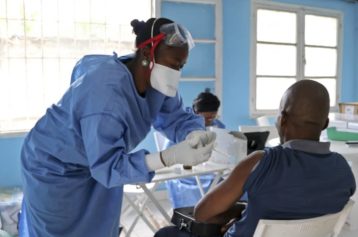
According to The AP, delays in delivering equipment, lack of funding and defective medical supplies ended up costing lives. Several health workers, who served as frontline troops in the fight against Ebola, died because they simply didn’t have the right protective gear.
The AP story said Dr. Margaret Chan, director-general of the World Health Organization (WHO), requested vehicles and equipment to be quickly dispatched to the scene of the outbreak. But only a small amount of the money actually showed up. At one point health workers ran out of body bags.
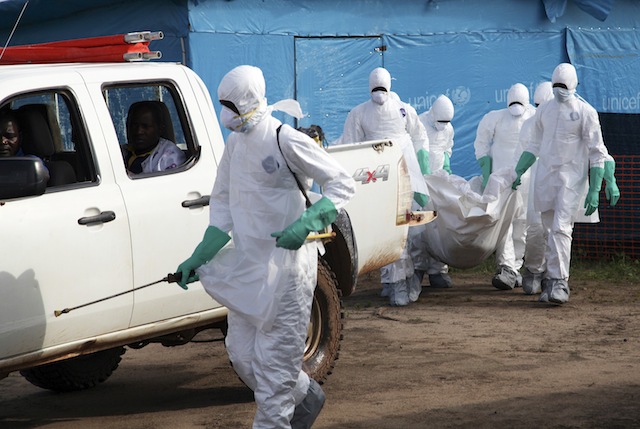
This led to a truly hellish scene at Kenema Government Hospital. Dying patients were left alone in blood-drenched beds and health workers labored to battle the disease and contend with angry locals, who threatened to burn down the hospital. The locals thought the health workers were deliberately spreading the disease.
Another critical problem was the lack of decent supplies. According to The AP, health workers lacked the proper protective gloves and had to use stray plastic to protect their feet, instead of specially-designed footwear. And there was also the problem of expired chlorine. Health workers used chlorine from the government supply to protect themselves, but it turned out to be expired.
“We were in a war zone and the chlorine was the only thing that was giving us courage to come closer to patients,” said hospital porter Juma Musa.
In a phone call to expatriates in Sierra Leone, U.S. health official Austin Demby said he was shocked when he visited the scene. He said bodies were strewn all over the place and there was a “complete breakdown” in management.
“I’m not for blaming anybody for anything, but WHO could really spend a little bit more time on Kenema,” Demby said in tapes obtained by The Associated Press.
Dr. Irwin Redlener, director of the National Center for Disaster Preparedness at Columbia University in New York, said a quicker response could have saved lives.
“There’s no question that a better and earlier response from WHO could have resulted in thousands and thousands of fewer deaths than we saw,” Redlener said.
The AP also said hours were often wasted in lengthy phone calls arguing about what color body bag to use. Black body bags were seen as sinister, and so health officials battled over whether to use white or blue ones.
The aftermath of the Ebola outbreak has led to much soul searching and finger pointing. At least five inquiries, including one by WHO, have been set up to look into how the system broke down. And while WHO officials point the finger at the Sierra Leone government, government officials blame local residents for hampering efforts to help them.
Redlener told The AP he was concerned that the same WHO officials, who screwed up the latest Ebola outbreak are still in leadership positions. He warned the same thing could happen again.
“We’ve already seen what the old leadership at WHO has been able to do, so I don’t know why we would expect them to be able to right themselves,” he said.