African Nationalism
Ali was inspired by the work of his protégé, so he moved to the U.S and joined Garvey’s Universal Negro Improvement Association. He would go on to became the foreign secretary and the head of African Affairs until Garvey’s deportation from the United States in 1927.
 Back to Africa
By the 1930s, Ali was plagued by failure and could not find any financial success from his many business ventures. So, he moved to Lagos, Nigeria to start another newspaper called, The Comet. It had a circulation in the thousands and came to be the financial boost he needed. At the height of the paper’s popularity, it was one of the top ranked papers in Nigeria. He managed the paper for 11 years until it was sold.
Legacy
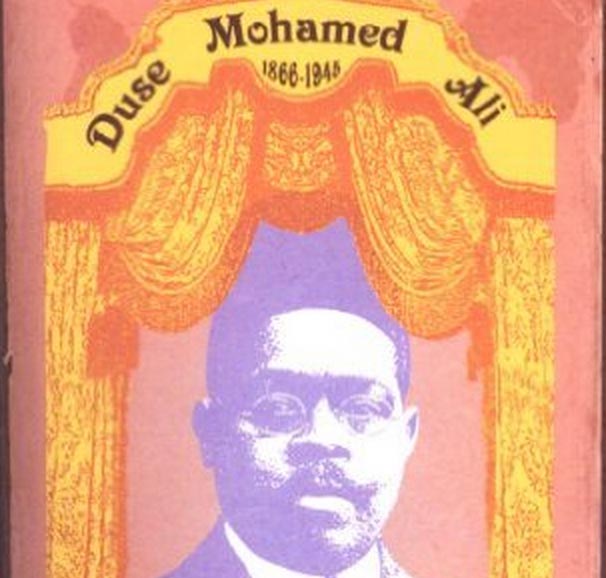
After finding himself stereotyped and typecast in offensive acting roles, Ali persevered and challenged the racist imperialistic system that killed his father and brother. He went on to become a famous Black journalist and his articles were translated and published in Germany, France, Austria, Turkey, Egypt and Japan. Following a protracted illness, Mohamed Ali died at the age of 78 in the African Hospital, Lagos, on June 25, 1945. Attendees at his funeral numbered well over 5,000, including political, social and religious leaders.