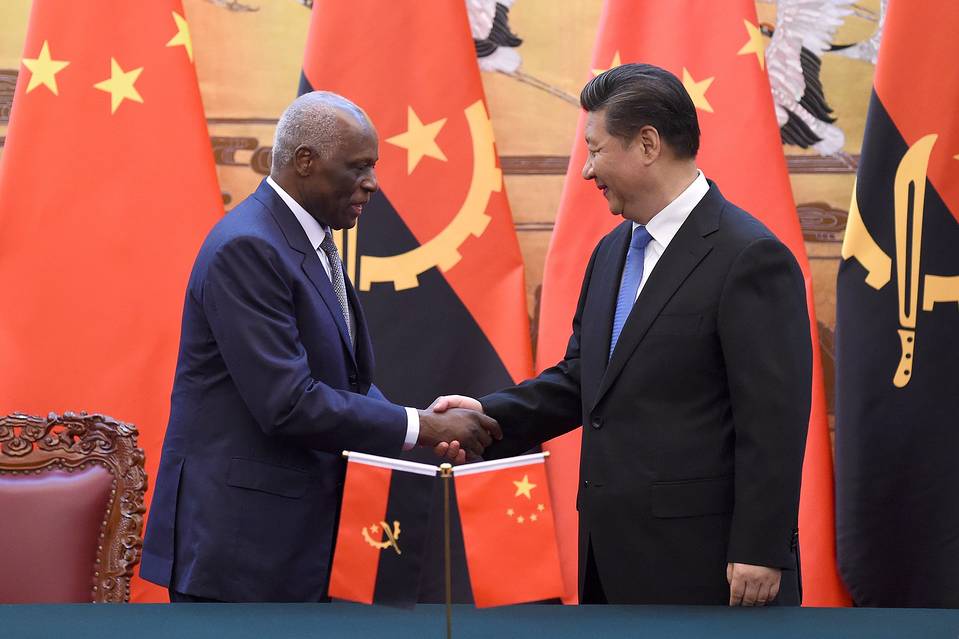
Angolan President José Eduardo Dos Santos, left, shakes hands with Chinese President Xi Jinping
JOHANNESBURG—As the global oil-price slump passed its one-year anniversary in June, Angola’s President José Eduardo dos Santos booked a trip to Beijing.
The long-serving autocrat hoped fresh loans and investment from China, Angola’s top trading partner, would buoy his country’s oil-dependent economy through choppy waters, according to financiers who do business with his government. On a weeklong visit, he signed a deal for China to build a $4.5 billion hydroelectric dam and a series of other projects.
“China and Angola are good brothers and long-lasting strategic partners,” China’s President Xi Jinping said during meetings with Mr. dos Santos at the Chinese capital’s Great Hall of the People.
Now, Angola’s economic links to Beijing illustrate a broader problem across Africa: Nations that tied their fortunes to China find themselves hostage to its economy’s turbulence.
President Xi is straining to arrest an economic slowdown in China, and that is aggravating a painful correction for oil-rich Angola, Beijing’s top African trading partner.
Angolan importers are struggling to pay for critical items like medicine and grain. Moody’s Investors Service last week said rising government debt has put Angola at risk of a rating downgrade. Since January, the country’s kwanza currency has shed a quarter of its value against the U.S. dollar.
“Without the Chinese, there’s no money,” said one Angola-based financier, who said he feared retribution from Mr. dos Santos, whose family controls much of the economy. “The country hasn’t prepared itself by developing in other areas.”
While forging closer economic ties with China, Angola and others also sought to consolidate their political power and aspire to Beijing’s state-led growth model. But those that bet on China’s demand for their oil and iron ore are realizing Beijing might not always be buying—and might not be able to teach them how to hang on to power indefinitely, either.
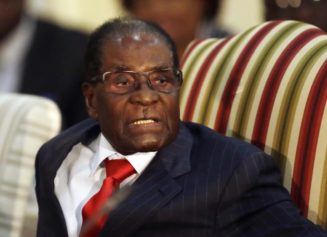
In Zimbabwe, 91-year-old President Robert Mugabe has declared China’s currency, the yuan, official legal tender along with the U.S. dollar. In the past five years he has secured deals for Beijing to develop roads, telecom networks and farm projects worth some $4 billion.
Last week, in his first state of the nation address in eight years, he took a step back from that partnership.
Read more at www.wsj.com