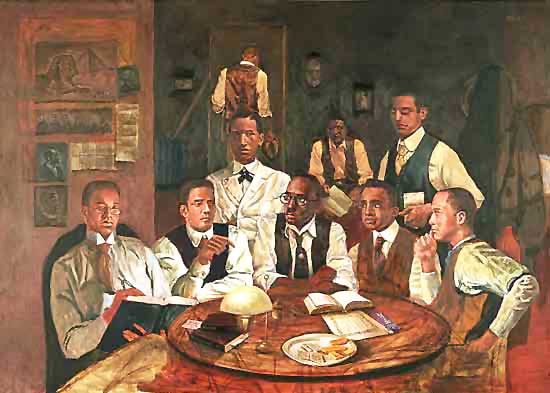
via betaeta1934.org
Alpha Phi Alpha Fraternity Inc.
The establishment of Alpha Phi Alpha Fraternity Inc. was inspired by the racial oppression that African-American students were experiencing on the campus of Cornell University in the early 1900s. In his book, The Divine Nine: The History of African American Fraternities and Sororities, Lawrence C. Ross Jr. writes that “African American students were isolated and segregated from the general student population, resulting in an abysmal African American retention rate.” Fortunately, a group of students, including the founders of Alpha Phi Alpha Fraternity, “created a study and support group for the remaining African American students at Cornell.” Later, on Dec. 4, 1906, the founding members, also known as “The Seven Jewels” “decided to create an organization for which there had been no predecessor.” Shortly after, Alpha Phi Alpha created the Sphinx, “the second oldest African American national magazine,” to ensure that the members would never feel isolated again.
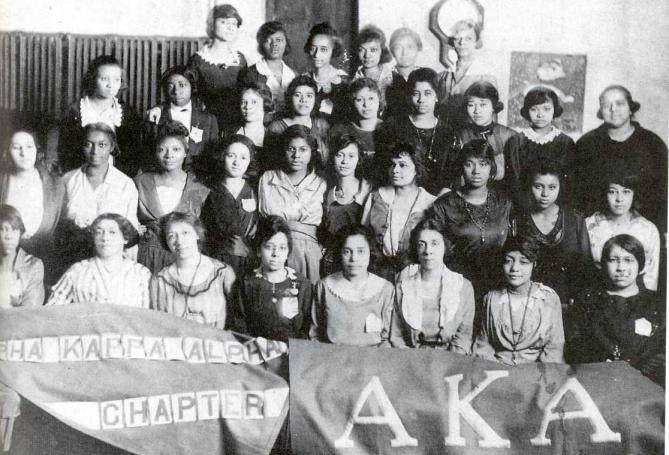
via theroot.com
Alpha Kappa Alpha Sorority Inc.
While a junior at Howard University, Ethel Hedgeman Lyle, a founding member, deemed it necessary to create a support system in the form of an African-American sorority because “if you were an African American woman, the odds could be overwhelmingly against you finishing high school, no less college.” For this reason, nine women founded Alpha Kappa Alpha Sorority on Jan. 15, 1908. According to Ross, “for members of Alpha Kappa Alpha, ivy represents the aims and ideals of the organization. So Alpha Kappa Alpha sisters would plant ivy at various spots on the Howard University campus. Hence the Ivy Leaf has become a symbol of Alpha Kappa Alpha. ”