According to Black Dutch researcher and author of the book Belle van Zuylen’s Forgotten Grandmother, Egmond Codfried, there was Black nobility in Europe — later squashed for obvious reasons. His claims are controversial and widely not accepted by European historians. But Codfried is undeterred. He has systematically studied hundreds of paintings of famous and less famous European nobility. He regularly stumbled upon people who possessed Black or African features and linked their lineage to Black people, much to the chagrin of those who do not appreciate his perspectives.
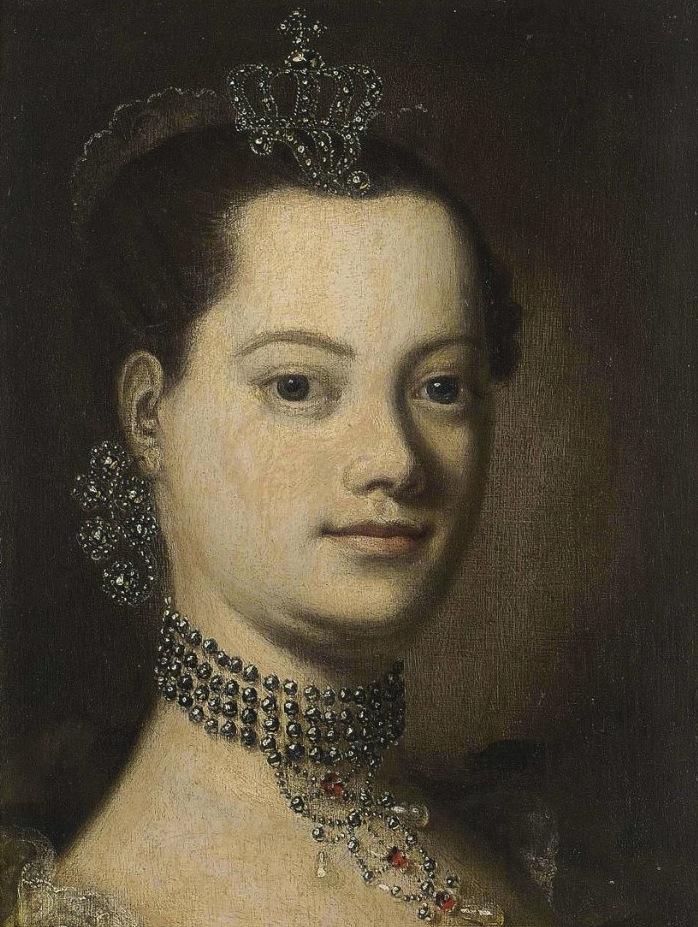 Queen Charlotte Sophia of Mecklenburg Strelitz (May 19, 1744 – Nov. 17, 1818)
Queen Charlotte was wife of the England’s King George III (1738-1820), but because her features were so conspicuously African, the Black community, both in the U.S. and throughout the British Commonwealth, have rallied around pictures of her for generations. Various people have pointed out the physiological traits that so obviously identify the ethnicity of the British royal.
Evidence has been obtained suggesting that Queen Charlotte was directly descended from Margarita de Castro y Sousa, a Black branch of the Portuguese Royal House. According to a PBS.org article, The Blurred Racial Lines of Famous Families, these speculations were confirmed by two art historians who suggested that mysterious paintings of the Black magi must have been portraits of actual people from that time because the artist would not have been aware of the subtleties in coloring and facial bone structure of quadroons or octoroons. Six different lines can be traced from England’s Queen Charlotte back to de Castro y Sousa, in a gene pool, which because of royal inbreeding, was already minuscule, thus explaining the queen’s unmistakable African appearance.
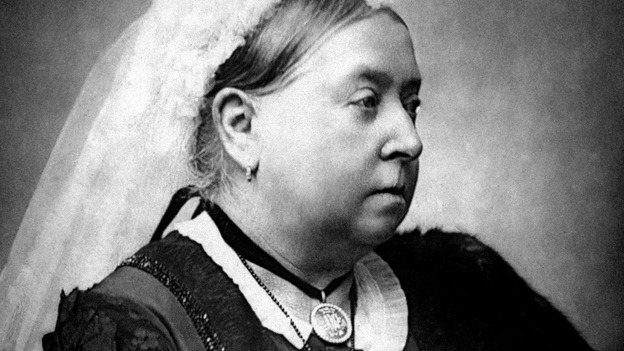
Queen Victoria (May 24, 1819 – Jan. 22, 1901)
If Queen Charlotte was of African ancestry, then Queen Victoria, her granddaughter, would have also had African blood, and, according to the discriminative “one drop rule” used historically for racial classification, may also be considered a Black person.