10 Classic African Movies You Should Know

via filmwalrus.com

via filmwalrus.com

Yaaba

This 1989 film was directed by Idrissa Ouedraogo, an African writer and director from Banfora (formerly Upper Volta) now Burkina Faso. His film highlights a theme that can be found throughout African cinema: the plight of African women. Though African men and women were once equal in antiquity, post-colonial modernity has led many to mistreat women through the use of a fabricated patriarchal system. In the film, Bila, a 10-year-old boy living in an African village, forms a bond with Sana, an elderly woman that the entire village has deemed a witch. Though the people of the village try to drive her away, Sana, who Bila refers to as ‘Yaaba’ (grandmother) manages to heal Nopoko, Bila’s cousin, after she falls ill. Throughout the movie, we find that Sana is perhaps the kindest individual in the village, yet the most mistreated.
Moolaade

Moolaadé

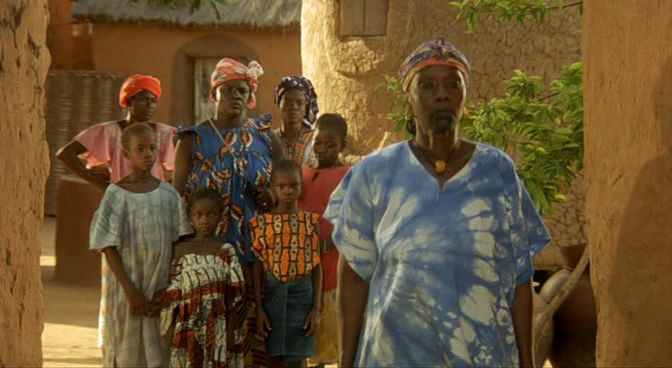
Directed by Ousmane Sembène, a Senegalese filmmaker who many refer to as the father of African Cinema, Moolaadé tells the story of the struggle between tradition and modernity. When Collé Gallo Ardo Sy grants “moolaadé,” or spiritual protection, to a group of girls to protect them from the traditional, yet sometimes fatal, act of genital mutilation, she brings about a divide within her village. Though she suffers the consequences, she stands her ground.
Independent journalism still matters.

We hope this story was worth your time. For over 14 years, Atlanta Black Star has stayed Black-owned and independently run. We didn't get here by waiting on ad budgets that were never built to prioritize us. Our readers did that.

Corporate support for Black media has always been thin. Outlets like ours get roughly 1% of the $170 billion spent on U.S. advertising each year, and that margin is shrinking further as advertisers walk back the DEI-linked commitments they made in 2020. That's the backdrop. It's not why we're asking.

The wider picture isn't any steadier. Newspaper ad revenue has fallen more than 80% since 2005, and local newsrooms are closing at a rate of roughly two a week nationwide. When outlets go under, it's rarely the ones built to center a Black perspective from the ground up that get to stick around.

We know a request for support isn't why you came here. But without readers choosing to fund this work directly, the depth of reporting we can do at home and abroad shrinks along with everyone else's. If you're not in a position to give, that doesn't change how much we value you as a reader.

If you are able to, a recurring contribution does more for us than a single one-time gift, because it lets us plan the next investigation instead of just the next invoice. It takes about 30 seconds, no long form, no account. Thank you for continuing to support independent journalism and freedom of the press.

Back to top