Photograph courtesy Beauchamp Branch library
C. 1950
Diversity attacks Black entrepreneurship.
Due to diversity, other minority groups, whether they be white women or immigrants, have been given the power to access economic opportunities before those of the Black community. It is for this reason that Black people have become the “permanent underclass,” according to Anderson. As a result, after years of so-called progression, Black people own less than they did in the 1950s. Anderson explains that Black Americans once owned their own schools, busing companies, railroad companies, community businesses and so much more. Today, he argues that integration will “strip you down to nothing,” when describing the current economic and entrepreneurial state of Black America.
via Library of Congress
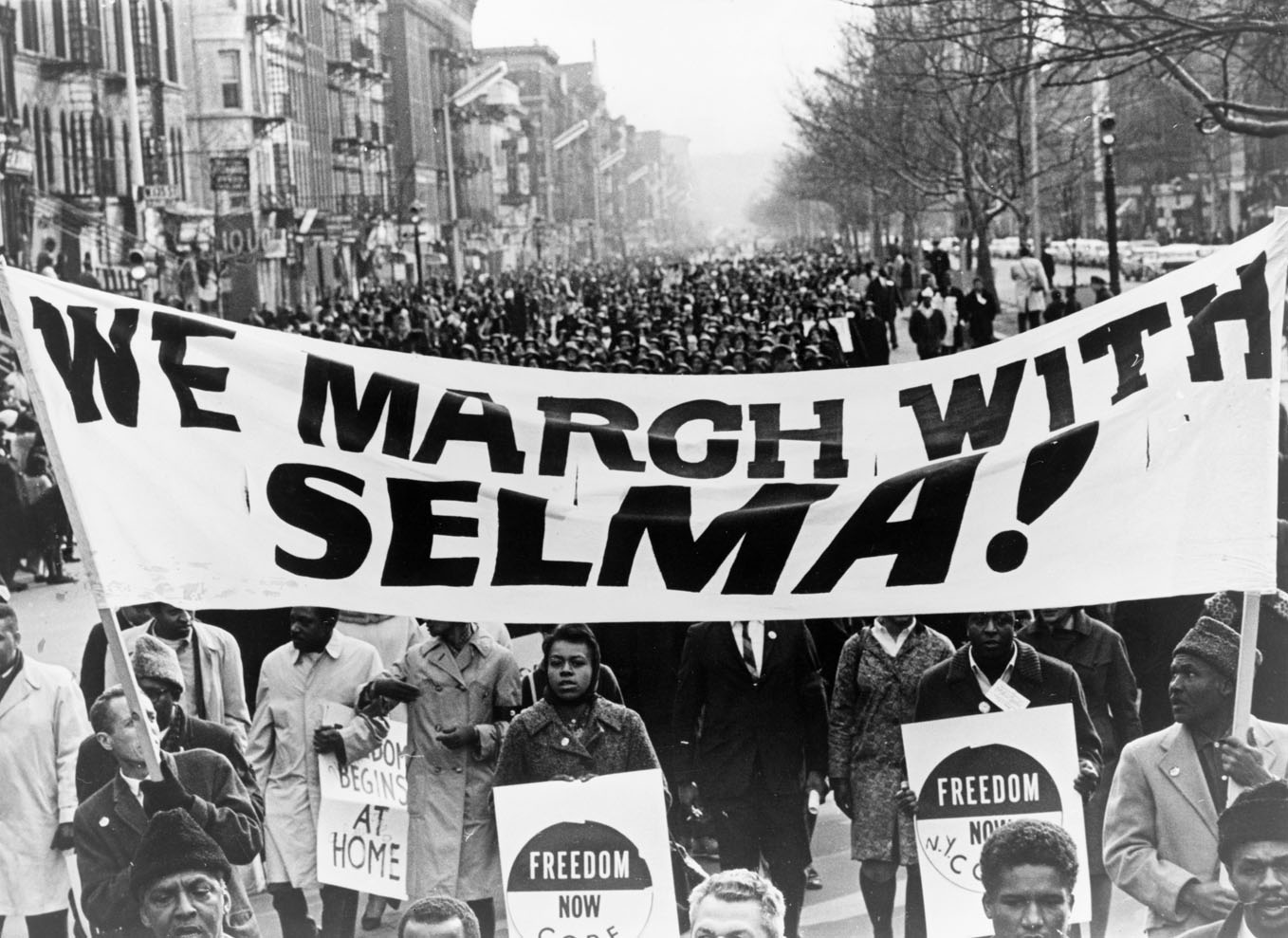
Diversity dismisses the uniqueness of the Black experience and the Black plight.
Anderson confirms that “Black people have a very unique history with this country.” He continues to declare that Black Americans “have problems that are uniquely their own.” Furthermore, diversity enables the government to produce policies and solutions that don’t solves the “real issue” of the Black community, which is white supremacy within the social, political, and economic arenas. He argues that, in this way, diversity creates the illusion that the history of Black people was not bleaker than others’ and that the issues of Black people are not more urgent than others’.