 By Manny Otiko
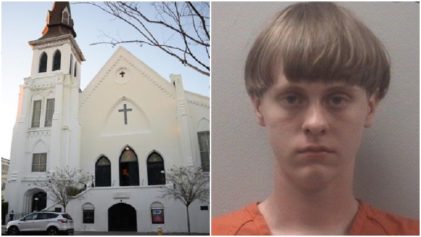
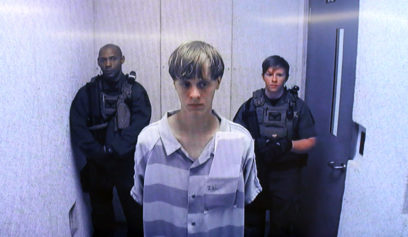
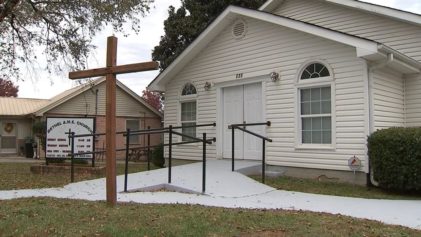
While the media outlets debate whether the attack that left nine Black churchgoers dead was terrorism, the U.S. Department of Justice is moving forward with prosecution of alleged shooter Dylann Roof.
On Thursday, Justice Department officials said they would prosecute Roof, a white supremacist, as a domestic terrorist. A Justice Department official said the massacre was clearly designed to intimidate African-Americans.
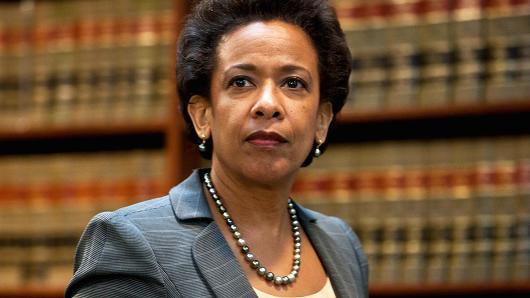
“This heartbreaking episode was undoubtedly designed to strike fear and terror into this community, and the department is looking at this crime from all angles, including as a hate crime and as an act of domestic terrorism,” said DOJ spokeswoman Emily Pierce.
While local and federal prosecutors consider the shooting an act of terrorism, some people are still reluctant to use that label. In a White House press briefing, President Barack Obama refrained from calling the attack domestic terrorism. Instead, he framed it as a gun control issue. Even though Roof had been arrested for trespassing and drug possession, he was still able to get a gun.
Some media critics say news outlets frame Black and white shooters differently. There have been many media stories about Roof’s troubled past, alienation and run-ins with the law. But even though he had Confederate license plates, talked of starting a race war and wore white supremacist patches, some outlets are reluctant to label him a white supremacist who carried out an act of terrorism.
Anthea Butler, an associate professor of religion and Africana studies at the University of Pennsylvania, said the media often portray white gunmen in a more sympathetic light.
“But listen to major media outlets and you won’t hear the word ‘terrorism’ used in coverage of [Wednesday’s] shooting. You won’t hear the white male shooter, identified as 21-year-old Dylann Roof, described as ‘a possible terrorist,’” Butler said. “And if coverage of recent shootings by white suspects is any indication, he never will be. Instead, the go-to explanation for his actions will be mental illness. He will be humanized and called sick, a victim of mistreatment or inadequate mental health resources. Activist Deray McKesson noted Friday morning that, while discussing Roof’s motivations, an MSNBC anchor said ‘we don’t know his mental condition.’”
Even though police described Roof as “armed and dangerous,” they still managed to take him alive without resorting to gunfire. However, the police seem to have no problem gunning down unarmed Black men like Michael Brown. McKinney, Texas, police officer Eric Casebolt manhandled a Black teenage girl and threw her to the ground, even though she was only wearing a bikini. He later pointed his weapon at unarmed Black teenage boys.
However, it’s not only Black men who are being stereotyped by the media. Muslim American comedian Dean Obeidallah says media outlets are quick to label any kind of violence perpetuated by a Middle Easterner as terrorism, but bends over backwards to avoid calling people like Roof “terrorists.” He also stated violence, mainly from white domestic terrorists, has killed more Americans than Islamic terrorists.
“As the Southern Poverty Law Center noted in a report released a few months ago, between 2009 and February 2015, a domestic terrorist attack or foiled attack occurred every 34 days. The perpetrators of these attacks range from anti-government actors to hate groups to Islamic-related,” said Obeidallah writing for The Daily Beast. “But despite what many might think, Muslim terrorists accounted for a fraction of the total attacks. In fact, while more than 300 Americans have been killed on U.S. soil by political violence or mass shootings between 9/11 and 2013, only 33 have been caused by Islamic terrorism.”