 Chad has banned people from wearing the full-face veil, following two suicide bomb attacks on Monday.
Chad’s government accused Nigerian militant Islamist group Boko Haram of the bombings which killed more than 20 people.
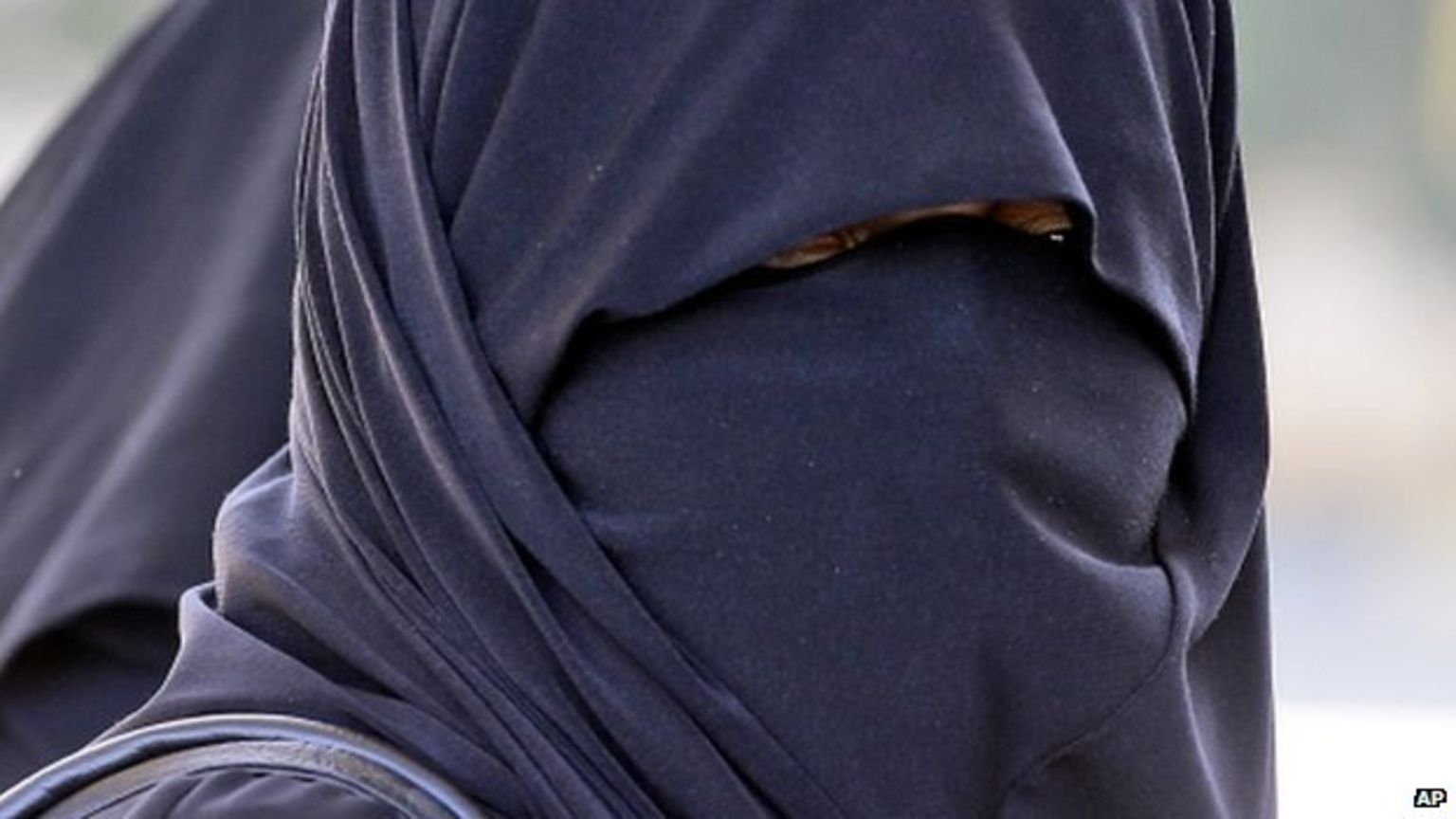
The prime minister said the veil was used as a “camouflage” by militants and said the security forces will burn all full-face veils sold in markets.
Chad is to host a new regional force set up to tackle Boko Haram. The militant group has not commented on the attack but has previously threatened to attack Chad, after its forces started to help Nigeria.
At a meeting with religious leaders, Prime Minister Kalzeube Pahimi Deubet said the ban applied everywhere, not only public places.
He added that any clothing that covers everything but the eyes was a camouflage.
The attackers were on motorcycles when they blew themselves up outside two police buildings in the capital, N’Djamena.
Borno state, at the heart of the insurgency, is on the Nigerian border with Chad and Chadian forces have played a key role in helping Nigeria battle the jihadist group.
The U.S. announced on Tuesday that it will give $5m (£3.2m) towards a multi-national task force headquarters in Chad.
The BBC World Service’s Africa editor Richard Hamilton says Boko Haram militants have increasingly been using female suicide bombers in Nigeria, as they are more likely to smuggle bombs into public places without detection.
The majority of the population in Chad is Muslim and the burka is worn mainly for religious reasons, but also helps protect women from the hot, dusty climate of the Sahara.
Read more at bbc.com