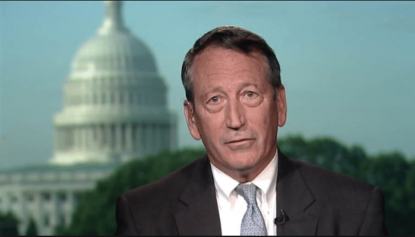
Ambassador Thomas Shannon, counselor of the U.S. State Department
CARACAS (Reuters) – A U.S. envoy has met Venezuela’s second most powerful official in Haiti in a further sign of rapprochement between the ideological foes, according to Venezuelan state media.
Thomas Shannon, counselor to Secretary of State John Kerry, has emerged in recent months as a go-between for Caracas and Washington, visiting Venezuela a couple of times for low-profile meetings with President Nicolas Maduro.
In the worst flare-up since Maduro came to power, Venezuela earlier this year accused Washington of plotting a coup, ordered it to reduce its embassy staff and imposed a visa requirement on U.S. visitors.
In turn, the United States declared Venezuela a national security threat and ordered sanctions against seven officials it accused of corruption and rights abuses.
But both sides have lowered the tone in recent weeks.
In the meeting on Saturday in Haiti, Shannon met National Assembly President Diosdado Cabello, widely regarded as the No. 2 in Venezuela after Maduro, and Foreign Minister Delcy Rodriguez.
The meeting lasted an hour and a half, according to state news agency AVN, and was mediated by Haitian President Michel Martelly.
“We held a working meeting in Haiti with Tom Shannon and the U.S. delegation en route to normalizing relations,” Rodriguez tweeted.
State-funded network Telesur quoted Cabello as saying that Venezuela and the United States both planned to cooperate with Haiti in fighting cholera.
Venezuela wants better relations with the United States but unnamed “interests” are blocking that, he added.
“They have tried to attack and bomb this initiative in order to keep us from normalizing relations between the two countries,” Telesur quoted him as saying.
“The U.S. and Venezuelan delegations took advantage of this opportunity to continue our bilateral talks,” a U.S. State Department spokesperson, who asked not to be named, said in an email to Reuters.
The spokesperson added that the talks were initiated by Martelly, keen to discuss support for Haiti’s elections as well as its reconstruction and development.
The meeting came after reports in U.S. media that Washington is investigating Cabello over involvement in drug trafficking and money laundering, allegations he denies.
Read more at yahoo.com