Source: Al Jazeera
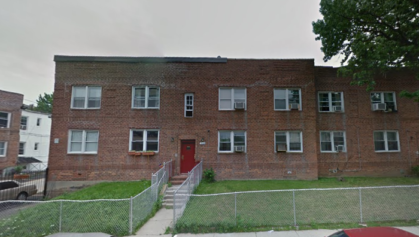
Anyone riding by the Los Angeles apartment complex at 1625 Crenshaw Boulevard over the weekend probably assumed the crowd of tenants were having a special celebration.
Neighbors who have long called the complex home came together to enjoy each other’s company over grilled hot dogs and hamburgers.
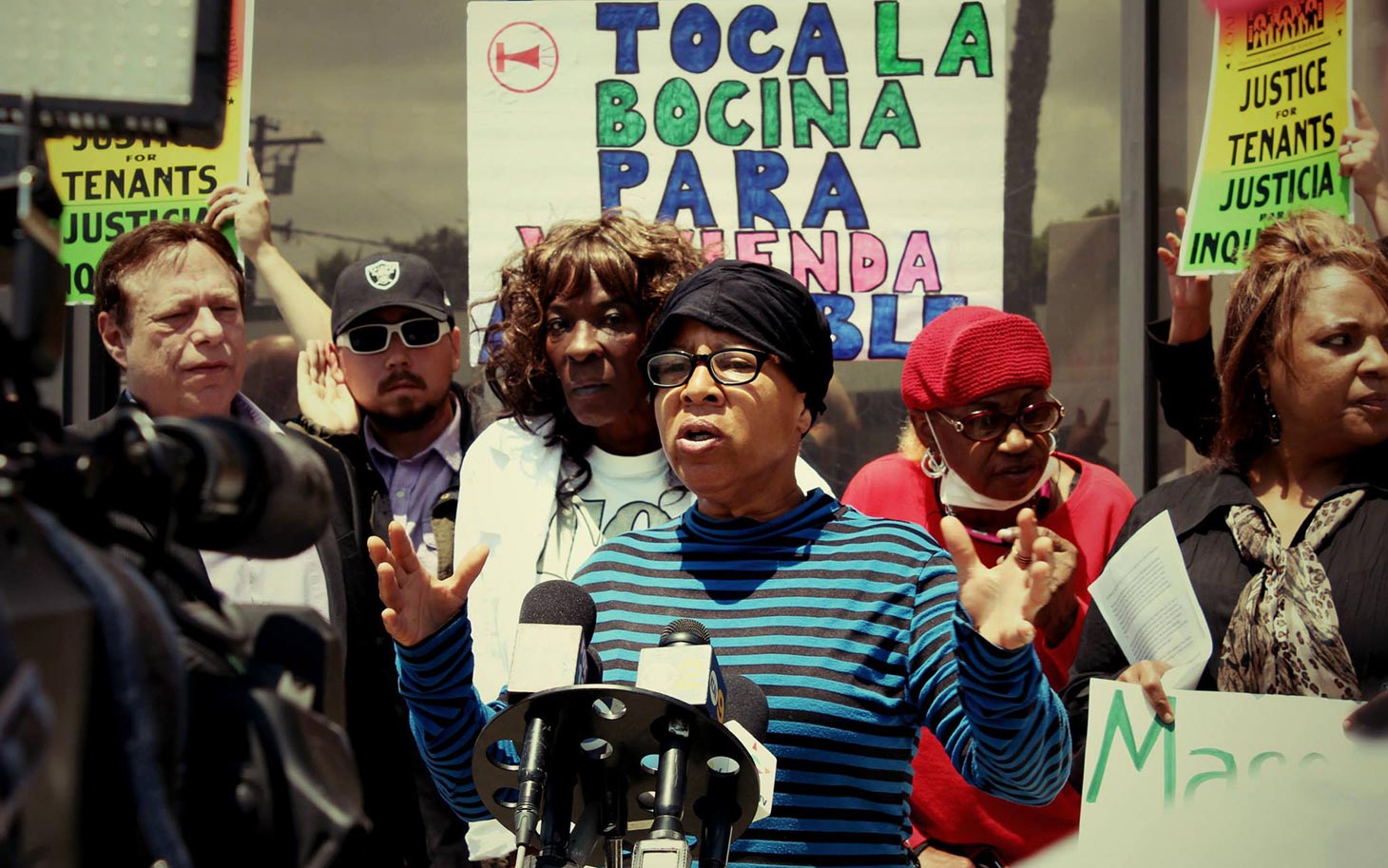
But at the heart of the cookout was the fact that it may be one of the last times they get to enjoy such a gathering. This cookout was no celebration. It was closer to being a form of protest after the new landlords decided they wanted to push out the low-income tenants in order to make room for wealthier ones.
Unfortunately, it’s not an uncommon ploy.
For years, disconcerting tactics have been used to get rid of Black tenants and homeowners in certain areas in order to move in wealthy, white residents. So when a wave of notices swept over the complex, alerting the residents that they had little time to find a new place to live, many residents were facing the reality that they could very well be facing homelessness.
According to the notices, the landlord is no longer willing to participate in Section 8 agreements and will begin terminating such leases.
“Landlord in good faith seeks to terminate your Section 8 lease/tenancy for economic reasons,” one resident’s notice read. “[This includes] difficulty in dealing with Section 8 requirements, paperwork, inspections and attempt to obtain rent increase, failure by Section 8 agents in returning phone calls and constant waste of time to obtain information. You are further notified that it is the purpose and intent of this notice to terminate tenancy at the end of said 90-day period.”
For one resident, an 82-year-old Korean War veteran, it’s a crushing blow.
“I just don’t know,” Floyd Harrelson told Al Jazeera. “I didn’t know life can be that hard after being in the Marine Corps for 10 years.”
But his service to his country isn’t what the landlords seem to be the most concerned about. In fact, many would argue that it isn’t even about any economic difficulties at all.
Instead, experts say, it’s about greed and discrimination.
“Basically, they’re trying to clear out poor people to try and get higher-income people in there to jack up the rent, and it’s purely about greed and profit, at the expense of these tenants, many of them who are elderly,” Larry Gross, the executive director of the Coalition for Economic Survival, a non profit that advocates for policies for low-income people in Los Angeles, told Al Jazeera. “This person is coming along and completely disrupting their ability to live out the rest of their years in the environment that they know, that they feel comfortable with, where they have friends and neighbors nearby, where they have services nearby.”
 But since the state of California offers very little legal protection for low-income tenants being bullied out of their apartments by greedy landlords, the residents are struggling to find other options.
One resident felt offended after being offered $4,000 noting that such a small amount wouldn’t actually cover all of his moving expenses and the payments necessary to reserve a unit at another complex.
Perhaps even more unsettling, however, is that the complex has decided to evict tenants that weren’t under an affordable housing program. It suggests that the mass eviction is indeed about race rather than about money.
“I’m not under Section 8, so if that was your issue, that’s not the issue for me,” 36-year-old Rashida Thomas told Al Jazeera. “I’m not a senior. I’m not a veteran. I’m not disabled. I’m not any of these things that you don’t want to deal with that would make me not the ideal tenant, except that I’m Black.”
With such racially motivated evictions becoming more common in the LA area, tenants are even seeing the return of segregation in neighborhoods that were at one point extremely diverse.
“Just because it’s legal doesn’t make it right,” Leilani Sashae, one resident who has stepped forward to lead the tenants in their fight against the landlords, told Al Jazeera about the discrimination facing the Black community in the area. “They’re saying, ‘We don’t think you’re valuable. You don’t exist. You’re nothing to us. This is about money. We’re just here to make our money, and we couldn’t care less about you and where you go.’”