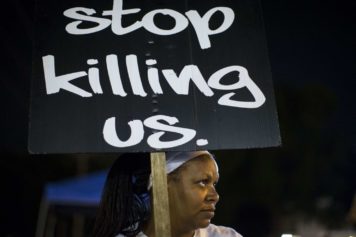
More than 17.5 million children in the United States are witnesses to, or victims of, assaults with weapons. This far exceeds the number of kids who have diabetes or cancer, according to a study published Monday online in Pediatrics. The experiences put the kids at increased risk for depression, anxiety and other mental health disorders as well as increased difficulties with school, work and relationships.
Scientists analyzed data from a 2011 national telephone survey of 4,114 children aged two to 17 years; about half were at least 10 years old and answered their own questions during the phone interviews with researchers. Caregivers and/or parents answered questions on behalf of kids under the age of 10.
- More than half of the participants were boys.
- 57 percent of the kids in the study were white, while 15 percent were black and 19 percent were Latino.
- About 36 percent of the kids lived with single parents or another caregiver.
- Families in the study came from all income levels, with about 62 percent of children living in middle-class households.
- Boys, minorities and kids from low-income families or households not headed by two biological or adoptive parents were most likely to be exposed to weapon violence, the study found.
And in fact, even after controlling for income and single-parenthood, African American children still had worse outcome for exposure to violence, and the traumatic after effects. Even more disturbing but sadly not surprising, is the discovery of a “weaponized environment” in which children were more likely to report victimization with a weapon.
“Exposure to violence involving highly lethal weapons is associated with higher trauma symptoms, over and above exposure to all other types of violence, making it a strong contributor to adolescent depression, anxiety and aggression,” writes study co-author Kimberly Mitchell, a research assistant professor of psychology at the University of New Hampshire’s Crimes Against Children Research Center.
This report comes on the heels of the release of the McKinney officers brutality video which shows police officers breaking up a pool party of teenagers, many who were underage. In the video, a white male police officer pulls out his gun on two Black male youths when they went to aid a 15-year-old girl who the officer had tackled the ground, while dressed in a bikini.
Thus, while high crime neighborhoods are obvious indicators, it begs to ask whether this type of incident, which took place in a residential community, can be traumatizing for children too.
“Absolutely,” says Dr. Sherry Hamby, research professor of psychology and director of the Life Paths Research Program at Sewanee: University of the South, who co-authored the report.
“There is evidence [in other literature] that violence by trusted authorities, such as police officers or teachers can be more traumatizing because of the initial trust placed in these figures—it’s betrayal trauma,” she told ABS.
However, this particular study did not go in depth into the perpetrators of violence.
Violence as a whole, needs to be treated as a public health emergency. And it’s not from video games or the internet, but real life incidences that are having these deleterious effects on our nation’s children.
S.C. Rhyne is a blogger and novelist in New York City. Follow the author on Twitter @ReporterandGirl, Facebook.com/TheReporterandTheGirl and visit her website at TheReporterandTheGirl.com.