
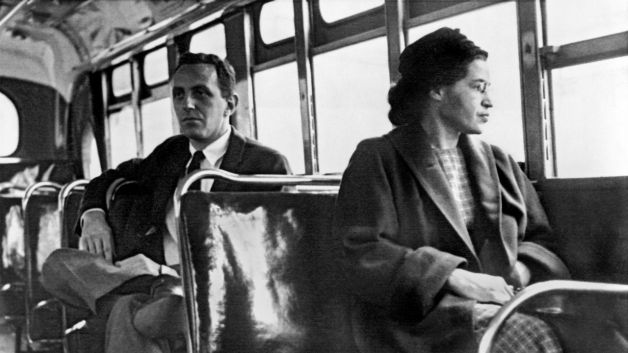
9 Disturbing Facts About Sexual Violence Against Our Women Under Jim Crow

Rosa Parks belonging remain unsold

Rosa Parks, a Sexual Violence Activist

According to Danielle L. McGuire in her text At the Dark End of the Street, Rosa Parks and Jo Ann Robinson’s involvement with the bus boycotts was only partially motivated by Black people having the right to sit freely. A major component was that Black women were being raped by white men in the process of waiting for a bus or while riding on the bus. This initiative was not just limited to the buses or bus stops.
rosaparks

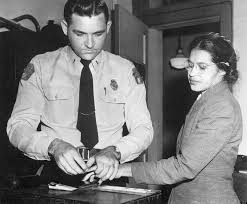
Bus Boycott Focused on the Rapes of Black Women

In an effort to spread awareness and fight for the justice of Black women who were sexually assaulted by white men, Parks and Robinson in 1955 organized a one-day bus boycott. According to At the Dark End of the Street, “The protest, intended to last twenty-four hours, became a yearlong struggle for dignity and justice. It broke the back of the Montgomery city bus lines and bankrupted the company.”
slave-cotton_picker_arkansas_pulaski_county

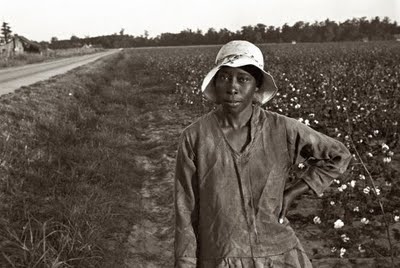
Black Women Raped While Trying to Find Work

According to McGuire, Black women and girls were lured away by white men for the promises of receiving working opportunities. She states that, “White men lured black women and girls away from home with promises of steady work and better wages; attacked them on the job; abducted them at gunpoint while traveling to or from home, work, or church; raped them as a form of retribution or to enforce rules of racial and economic hierarchy; sexually humiliated and assaulted them on streetcars and buses, in taxicabs and trains, and in other public spaces.”

Subscribe To The ABS Newsletter — Get our stories in your inbox.

Independent journalism still matters.

We hope this story was worth your time. For over 14 years, Atlanta Black Star has stayed Black-owned and independently run. We didn't get here by waiting on ad budgets that were never built to prioritize us. Our readers did that.

Corporate support for Black media has always been thin. Outlets like ours get roughly 1% of the $170 billion spent on U.S. advertising each year, and that margin is shrinking further as advertisers walk back the DEI-linked commitments they made in 2020. That's the backdrop. It's not why we're asking.

The wider picture isn't any steadier. Newspaper ad revenue has fallen more than 80% since 2005, and local newsrooms are closing at a rate of roughly two a week nationwide. When outlets go under, it's rarely the ones built to center a Black perspective from the ground up that get to stick around.

We know a request for support isn't why you came here. But without readers choosing to fund this work directly, the depth of reporting we can do at home and abroad shrinks along with everyone else's. If you're not in a position to give, that doesn't change how much we value you as a reader.

If you are able to, a recurring contribution does more for us than a single one-time gift, because it lets us plan the next investigation instead of just the next invoice. It takes about 30 seconds, no long form, no account. Thank you for continuing to support independent journalism and freedom of the press.

Latest from Atlanta Black Star

Back to top