via hrw.org
Excluding as a Means of Protecting
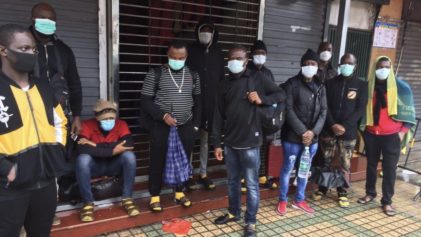
Thirty-four African countries agreed to the terms of the International Criminal Court. Data from the World Bank shows that all of them receive foreign aid; much of this aid comes from the European nations that direct the ICC. This has led many — including Professor Mahmood Mamdani, a scholar and political commentator of Uganda — to believe that these African states had no choice but to ratify the Rome Statute, an agreement that allows the ICC to prosecute the wrongdoers of nations that approve it. Mamdani has stated that the “ICC is dancing to the tune of Western states. Given Africa’s traumatic experience with the very same colonial powers that now, in effect, direct the ICC, it is an unfortunate case of déjà vu.” As a result, individuals of African countries are able to be prosecuted by the ICC, while the individuals of financially stable countries, such as the United States, China, Japan and India, are able to commit crimes and remain unaffected due to the fact that these countries had nothing to lose when they chose not to ratify the statute.

via thetimes.co.uk
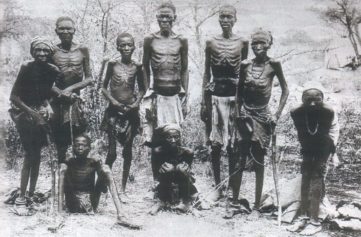
Turning a Blind Eye to the Inhumane Acts of European Soldiers
According to Abdullahi Boru Halakhe, a security and policy analyst on the Horn of Africa and Great Lakes regions, the ICC investigates more lawsuits on the continent of Africa than all other regions of the world combined. Tedros Adhanom Ghebreyesus, Ethiopia’s minister of foreign affairs, has described the ICC as a “political instrument targeting Africa and Africans.” Just last year, the ICC prosecuted President Uhuru Kenyatta of Kenya for reportedly being linked to violence that occurred after his presidential election in 2007. Yet, according to Barbara Jones, a journalist for Daily Mail, British soldiers training in Kenya were continuously accused of crimes, such as rape and murder, and simply sent home to escape Kenyan prosecution.
Democracy needs journalism it can trust.
This election season, the stakes are higher than usual — and so is the pressure on newsrooms to soften their coverage, stay quiet, or just disappear. Independent reporting, the kind that answers to readers instead of advertisers or political pressure, matters more in a moment like this, not less.
For over 14 years, Atlanta Black Star has stayed independent and reader-funded. We have no corporate owner and no shareholders telling us what to cover or how to cover it. That independence is also our biggest vulnerability: nothing protects it except readers choosing to fund it directly.
Newspaper ad revenue has fallen more than 80% since 2005, and local newsrooms are closing at a rate of roughly two a week nationwide. When outlets go under in a moment like this, it's rarely the independent, reader-funded ones that get to stick around.
We know a request for support isn't why you came here. But without readers choosing to fund this work directly, the depth of reporting we can do at home and abroad shrinks along with everyone else's. If you're not in a position to give, that doesn't change how much we value you as a reader.
If you are able to, a recurring contribution does more for us than a single one-time gift, because it lets us plan the next investigation instead of just the next invoice. It takes about 30 seconds, no long form, no account. Thank you for continuing to support independent journalism and freedom of the press.