Women Played an Active Role
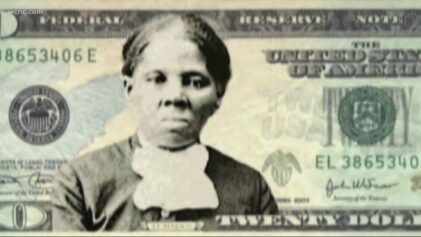
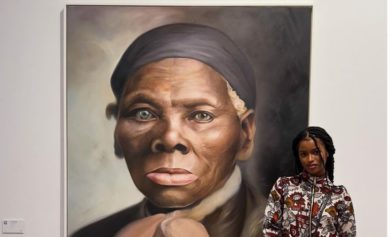
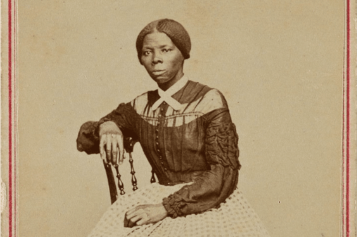
Black women, who could not formally join the Army, nonetheless served as nurses, spies and scouts, the most famous being Harriet Tubman, who scouted for the 2nd South Carolina Volunteers. A story appeared in the Northern journal Harper’s Weekly in 1864, according to Ms. Magazine, describing how Southern Black people were assisting Union soldiers who escaped from prison camps. An illustration that accompanied the story featured a Black woman hiding ragged, injured Union soldiers. Such Northern assertions were joined by those of Confederate Gen. Lee who declared that Southern Blacks were the “the chief source of information to the enemy.” In fact, Southern Black women operating as spies, scouts, couriers and guides were willing and able to offer enormous support to Union military personnel and operations.
 Inspired the Movie ‘Glory’
Black infantrymen fought gallantly at Milliken’s Bend, Louisiana; Port Hudson, Louisiana; Petersburg, Virginia; and Nashville. The July 1863 assault on Fort Wagner, South Carolina, in which the Volunteers of the 54th Regiment of Massachusetts lost two-thirds of their officers and half of their troops, was memorably dramatized in the film Glory. By war’s end, 16 Black soldiers had been awarded the Medal of Honor for their valor, according to history.com.